
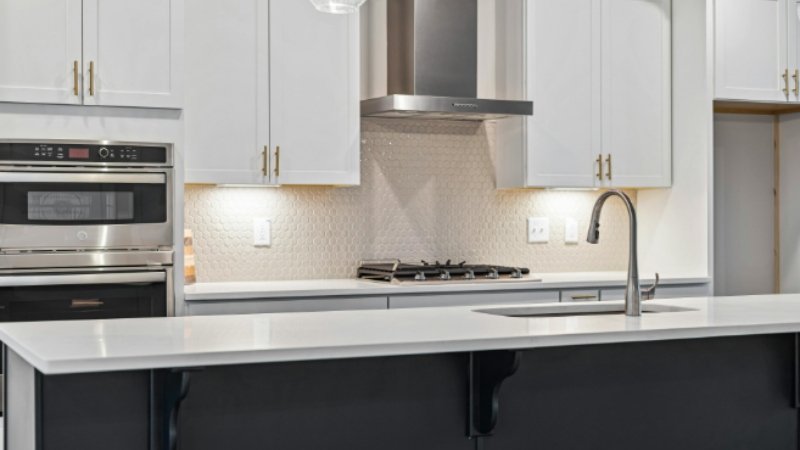
A kitchen should support the way your household lives every day. That includes meal prep, storage, cleanup, lighting, seating, and traffic flow. Good remodeling decisions improve convenience and reduce frustration for years. Poor planning creates problems that become obvious once the space is in use.
Before choosing finishes and decor, homeowners should think carefully about how the kitchen functions. Smart planning creates a space that feels comfortable, organized, and practical long after the remodel is complete.
Why Kitchen Flow Matters
Kitchen flow affects how comfortable the space feels every single day. A poorly planned layout creates small frustrations that add up quickly. You should not need to walk across the room every time you move from the sink to the refrigerator or stove. Tight walkways also become a problem when several people use the kitchen at once.
Homeowners often focus heavily on appearance while overlooking spacing and movement. Oversized islands are a common issue. They can limit access to appliances, crowd cooking areas, and make cleanup harder. Even simple tasks feel inconvenient when the layout interrupts movement.
Good kitchen flow creates efficiency without making the space feel crowded. Clear walkways, accessible prep areas, and thoughtful appliance placement improve how the kitchen functions. Those details shape the daily experience far more than decorative finishes alone.
Plumbing Decisions Affect Everything Later
Many homeowners underestimate how much plumbing planning affects the overall kitchen remodel. Moving a sink or dishwasher may sound simple during the design phase, but those changes can affect pipes, drainage, cabinet layouts, and even flooring work. Delaying plumbing decisions often creates construction delays because contractors may need to reopen walls or adjust finished areas.
Professional plumbing remodeling services can help homeowners plan appliance hookups, sink and garbage disposal installations before problems appear during construction.
Appliance Choices Shape the Remodel
Appliances influence far more than most homeowners expect during a kitchen renovation. Upgrading to larger refrigerators, professional-style ranges, or double ovens changes cabinet sizing, electrical planning, and overall kitchen layout. These decisions should happen early because late changes often create delays and extra costs.
Many people choose appliances after finalizing cabinets, which creates avoidable problems. A refrigerator may stick out too far from surrounding cabinetry. A dishwasher door may block nearby drawers. Small issues like these affect convenience every day.
Water lines and ventilation also require planning before construction starts. Refrigerators with ice makers, pot fillers, and upgraded dishwashers may need additional plumbing work. A remodel runs more smoothly when appliance choices guide the layout from the beginning instead of becoming an afterthought halfway through the project.
Smarter Storage Makes a Bigger Difference
Storage affects how organized and functional a kitchen feels long after the remodel is complete. Many homeowners realize too late that beautiful cabinets do not automatically solve clutter problems. Standard cabinet layouts often waste space and make everyday items harder to reach.
Deep drawers work better for pots, pans, and mixing bowls because they improve visibility and access. Pull-out pantry shelves help homeowners avoid forgotten food hidden in the back corners. Trash storage also deserves more attention during planning. A poorly placed trash can quickly becomes frustrating in a busy kitchen.
Storage should support daily routines instead of simply filling wall space. Homeowners who think carefully about cookware, small appliances, food storage, and cleanup habits usually end up with kitchens that stay organized much more easily after the remodel is finished.
Lighting Changes the Entire Experience
Lighting affects comfort, visibility, and the overall atmosphere of a kitchen. Many older kitchens rely on a single ceiling fixture that leaves shadows across countertops and prep areas. That setup makes cooking and cleaning more difficult, especially in the evenings.
A well-planned kitchen combines several types of lighting. Task lighting helps with food prep and cooking. Under-cabinet lights brighten counters without creating harsh glare. Pendant lights above islands improve visibility while adding warmth to the room. Dimmer switches also help homeowners adjust lighting throughout the day.
Natural light deserves attention during remodeling as well. Window placement and cabinet height can affect how bright the kitchen feels. Homeowners often notice the difference immediately when lighting improves. The kitchen becomes easier to use, more comfortable to spend time in, and far more inviting for everyday life.
Better Ventilation Creates a Cleaner Kitchen
Ventilation improves air quality and keeps kitchens more comfortable during cooking. Many homeowners focus on cabinet design and overlook how much steam, grease, smoke, and heat build up during everyday meals. Without proper ventilation, cooking odors can spread through the house, and grease can settle on nearby surfaces over time.
Range hoods should match the size and power of the cooking equipment. A weak ventilation system struggles to handle heavy cooking, especially with gas ranges or high-heat cooking methods. Exterior vented systems usually remove heat and odors more effectively than recirculating models because they move air outside instead of filtering and reusing it.
Noise levels also matter. Some homeowners avoid using loud range hoods regularly, which reduces their effectiveness. A quieter, properly sized ventilation system encourages consistent use and improves overall kitchen comfort.
Materials Should Match Real Life
Kitchen materials should fit the household’s daily habits instead of simply following design trends. Some surfaces look beautiful in showrooms but become difficult to maintain in busy homes. Light-colored countertops may show stains easily. Certain cabinet finishes reveal fingerprints quickly. Glossy flooring can highlight scratches and dirt after only a short period of use.
Families with children or pets often benefit from durable, low-maintenance materials that handle frequent activity well. Quartz countertops remain popular because they resist stains and require very little upkeep. Matte finishes on cabinets and hardware also help reduce visible smudges.
Flooring deserves careful consideration as well. Kitchens experience constant foot traffic, spills, and dropped items. Durable flooring materials help reduce long-term maintenance problems and keep the space looking cleaner with less daily effort.
A successful kitchen remodel depends on thoughtful planning long before cabinets and countertops are installed. Layout decisions, storage solutions, lighting, ventilation, appliance placement, plumbing, and material choices all affect how the kitchen functions every day. Homeowners who focus only on appearance often overlook details that shape comfort and convenience later.
The most satisfying kitchen renovations combine style with practicality. When homeowners take time to plan the details carefully, the finished space works better for cooking, gathering, storage, and everyday life for many years ahead.