
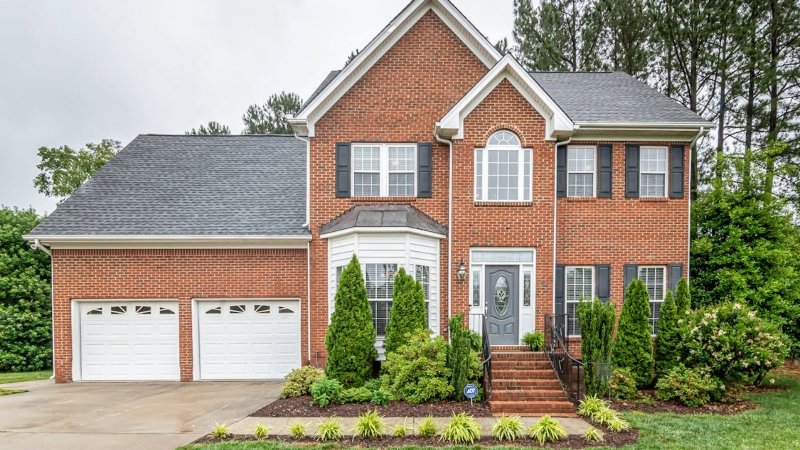
Most homes still look like they were designed for one car, one schedule, and one person leaving for work quietly every morning. Real life looks nothing like that anymore. One vehicle backs out before sunrise for a hospital shift. Another leaves thirty minutes later for school drop off. Somebody else is moving sports equipment from the garage while a college student arrives home using the side driveway entrance. Add electric charging cables, oversized SUVs, bikes, storage bins, grocery unloading, and delivery traffic into the mix, and suddenly the garage area becomes one of the busiest movement zones in the entire property.
Multi-vehicle households are pushing garages beyond simple parking spaces into something closer to transportation hubs attached directly to the home. Faster access, quieter systems, app-controlled entry, and smoother movement patterns matter much more once several drivers move through the same space repeatedly every single day.
Garage Access Systems
Garage access feels completely different once multiple drivers depend on the same space daily. One slow garage door suddenly becomes a bottleneck. A loud opener becomes irritating at 5:30 a.m. Somebody forgetting a remote creates unnecessary delays while another car waits behind them in the driveway. Tiny inconveniences become repetitive enough that homeowners start redesigning around them naturally.
Given this, the installation of garage door openers now connects heavily to movement efficiency rather than simple replacement work. Quieter belt-driven systems became more attractive because garages often sit directly beneath bedrooms or beside family spaces. Faster opening speeds matter during overlapping departures. Smartphone-connected systems gained popularity because households are tired of juggling remotes between multiple drivers constantly. In some homes, dual access systems even separate movement between family vehicles and recreational storage because traffic inside garages became too active for older layouts to handle comfortably.
Smarter Vehicle Storage
Garages used to collect random storage by accident. Holiday bins stacked beside paint cans, folding chairs hidden behind lawn tools, bicycles hanging wherever space remained. Multi-vehicle households destroyed that casual approach quickly because available garage space started disappearing much faster than before.
Now homeowners are getting unusually strategic about vehicle-related storage because movement matters more than raw storage volume alone. Sports equipment gets organized vertically so cars can still maneuver smoothly. Narrow overhead systems replace bulky floor storage because garage walkways need to stay clear during rushed schedules. Some homes even separate “daily access” storage from “seasonal storage” because constant digging through clutter near active vehicles became frustrating enough to influence full renovation plans.
Garage Entry Flow
One underrated frustration in multi-driver households is how awkward interior movement becomes once everybody enters through the garage at different times all day. Shoes pile up. Bags land everywhere. Somebody blocks the entry while unloading groceries, while another person tries to leave for practice carrying equipment. The transition space between the garage and the house suddenly matters way more than homeowners expect.
Wider interior paths between garages and kitchens became more popular because people carry things constantly now. Bench seating near garage entries appears in homes where kids switch shoes repeatedly throughout the week. Some layouts even create split pathways separating laundry access, pantry access, and mudroom movement because overlapping routines became too chaotic in tighter transition spaces.
Shared Driveway Pressure
Driveways are becoming more complicated socially and physically because many households now rotate several vehicles through the same exterior space every day. One person leaves early, another parks late, and somebody else needs temporary access for trailers, sports gear, or visiting family members. Older driveway layouts often struggle once multiple adults begin operating on completely different schedules.
That pressure is changing exterior design choices in subtle ways. Wider turnaround areas are becoming more common because constant reversing and reshuffling vehicles gets old fast. Some homeowners redesign landscaping near driveways simply to improve visibility during overlapping movement. Others add secondary parking pads because garages themselves cannot absorb the volume of activity anymore.
Different Departure Schedules
The old idea of a household leaving together in one predictable morning wave barely exists in many homes anymore. Schedules now scatter movement across the entire day. Somebody leaves before sunrise. Somebody works remotely until lunch. Teenagers come and go for activities. Weekend recreation vehicles suddenly join weekday commuter traffic. The house never fully settles into one rhythm.
Homeowners are adding quieter flooring near garages because somebody is always arriving late or leaving early. Exterior lighting systems are becoming more layered because movement happens during darker hours more frequently. Some homes even create mini holding zones near exits where backpacks, uniforms, gym bags, charging cords, and work supplies stay organized according to each person’s schedule instead of getting dumped into one shared clutter pile.
Noise Reduction Features
Noise becomes a completely different issue once garages stay active throughout the day instead of opening once in the morning and once at night. A loud opener rattling overhead at 6 a.m. feels annoying enough. Add staggered schedules, late evening arrivals, teenagers borrowing vehicles, recreation trailers moving in and out, and constant driveway activity, and suddenly the garage becomes one of the loudest operational zones in the house.
Nowadays, noise reduction features are showing up in places homeowners barely considered before. Insulated garage doors became more valuable partly because they soften vibration and outside sound. Quieter opener systems matter more in homes where bedrooms sit above garages. Some households even install acoustic wall panels or softer flooring near adjacent mudrooms because repeated vehicle movement echoes through connected spaces constantly.
Electric Vehicle Charging
Electric vehicles changed garage design faster than many homeowners expected because charging habits reshape how the entire space functions daily. Charging cables, wall units, battery timing, and parking orientation all influence movement inside garages once EVs become part of regular household routines.
Garages now need accessible charging placement instead of random outlet locations hidden behind storage bins. Some homeowners redesign parking layouts entirely because certain vehicles need easier charging access depending on who leaves first each morning. Electrical panels are getting upgraded during garage renovations more often because modern households run multiple chargers, tools, refrigerators, and smart systems simultaneously. The garage increasingly behaves like a powered utility zone connected directly to transportation habits rather than a passive storage area.
Exterior Lighting Layouts
Driveway lighting used to focus mostly on visibility near the front entry. Multi-vehicle households are complicated by this because movement now happens across wider areas at inconsistent hours. Somebody reverses out before sunrise. Another person arrives after practice late at night. Weekend activity spills across garages, side parking zones, and extended driveways long after daylight disappears.
Motion-activated side lighting has become more common because people move between cars repeatedly during darker hours. Some homeowners install layered driveway illumination instead of relying on one bright fixture blasting the entire property. Others prioritize softer garage perimeter lighting because harsh brightness reflecting off multiple parked vehicles feels overwhelming at night.
Garages have become operational spaces tied directly to schedules, storage, charging habits, exterior movement, and everyday household flow instead of functioning only as parking areas hidden beside the house.