People are no longer treating the backyard like a separate “extra” area that only matters during holidays or occasional summer weekends. Outdoor routines became stitched directly into ordinary life. Somebody drags a projector outside for movie nights once temperatures cool down. Kids leave soccer gear near the garage all spring. Folding chairs appear near driveways during neighborhood events. A smoker runs half the afternoon during football season while people wander between the patio and kitchen carrying trays, blankets, drinks, and extension cords. Homes started adapting to all those repetitive seasonal habits in ways older renovation trends rarely considered.
And this paved the way for renovations that feel less polished in a showroom sense and more responsive to actual behavior. Homeowners are paying attention to what happens when people constantly move between indoors and outdoors, carrying muddy shoes, beach bags, citronella candles, coolers, gardening tools, folding tables, or sports equipment, depending on the season.
Garage Door Design Preferences
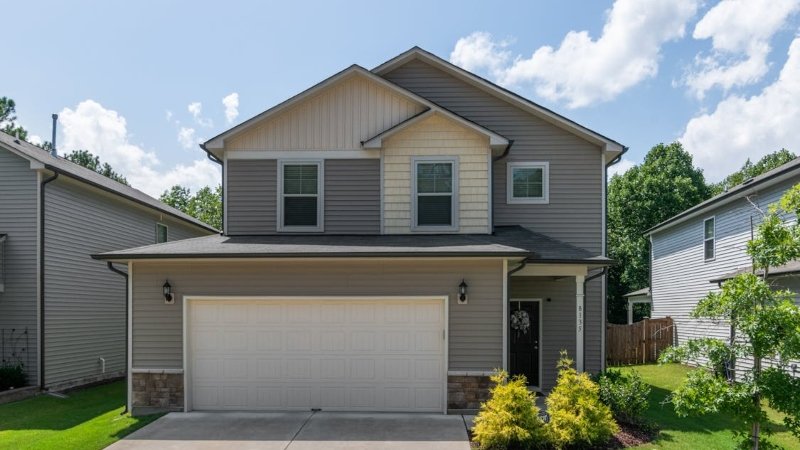
Garage doors are becoming part of outdoor design language now, instead of being treated like blank, oversized panels that homeowners ignore for years. Seasonal outdoor living changed that because garages often sit directly beside patios, driveways, side yards, grilling areas, or backyard entrances where people constantly move during warmer months.
This visibility pushed homeowners to think differently about types of residential garage doors depending on how outdoor routines shape the property overall. Some households lean toward carriage-style doors because they soften backyard-facing spaces used during garden parties or outdoor dinners. Others choose modern flush panels with glass inserts because the garage visually connects to updated patios and cleaner exterior lines. Even opening speed and noise levels matter more now because loud rattling systems interrupt outdoor evenings much more noticeably once people actually spend time outside regularly.
Outdoor Dining Renovation Plans
Outdoor dining spaces used to revolve around one lonely grill and a plastic patio table shoved somewhere near the back door. This setup feels outdated compared to how people use outdoor spaces now. Seasonal dining became much more layered and oddly specific. Somebody wants a breakfast spot catching early sunlight in spring. Another household prioritizes shaded dinner areas during humid summers. Cooler seasons suddenly turn firepit seating into the preferred gathering zone instead of the main patio itself.
This variety changed renovation planning completely. Homeowners are creating outdoor dining layouts that shift throughout the year instead of functioning in one single way forever. Some patios now include narrow serving ledges beside sliding windows because people pass food outside constantly during gatherings. Others install partial overhead coverage rather than full enclosures because they still want changing seasonal light patterns filtering through the space.
Backyard Hosting Habits
Hosting habits became much less formal over the last few years, and homes started changing because of it. People are not always planning giant, organized backyard parties anymore. Instead, outdoor gatherings happen more casually and more often. Somebody stops by unexpectedly. Neighbors gather near the driveway after evening walks. Kids drift between trampolines, patios, garages, and snack stations without structured plans. Seasonal outdoor living created homes where people wander more than they sit.
Homeowners increasingly prioritize wider transition points between indoor and outdoor spaces because traffic flows constantly during gatherings. Side yards, once ignored completely, now become string-lit overflow zones during outdoor dinners. Detached garages sometimes transform into seasonal hangout extensions with folding doors, mounted televisions, or portable seating setups.
Exterior Lighting Placement
Lighting changed dramatically once homeowners started spending more evenings outside throughout different seasons. Older exterior lighting usually focused on security or basic visibility near entry points. Modern outdoor living pushed lighting into something much more atmospheric, boosting curb appeal as well.
Now homeowners think about how outdoor spaces feel at different hours rather than simply whether they are visible. Soft lighting near retaining walls helps late summer gatherings feel calmer. Low pathway illumination matters during autumn evenings when people move between patios carrying food and drinks. Adjustable lighting near garages became popular because outdoor hobby spaces and seasonal projects often continue after sunset. Some homes even install lighting that intentionally leaves parts of the yard darker because overly bright spaces kill the relaxed mood people want outside during cooler evenings.
Indoor Outdoor Flooring Continuity
One interesting renovation trend happening now is the obsession with making flooring feel visually connected between interior and exterior spaces. Homeowners are getting tired of harsh transitions where the backyard suddenly feels disconnected from the house, the second somebody steps outside.
Newer remodeling projects increasingly use tones, textures, and surface patterns that visually carry movement outward instead of cutting it off abruptly. Some homes extend large-format tile toward covered patios so the transition almost disappears during gatherings. Others use weather-resistant composite materials that mimic interior wood tones closely enough to create continuity without becoming repetitive.
Seasonal Cooking and Grilling Habits
Outdoor cooking spaces are getting strangely personal now. Instead of copying restaurant-style outdoor kitchens from catalogs, homeowners are shaping spaces around very specific seasonal rituals. Somebody wants a sheltered smoker setup for rainy football weekends. Another household builds wider prep counters because seafood boils happen constantly during summer gatherings. Some families even position grills closer to side patios rather than the backyard because that is where people naturally gather during cooler evenings.
Storage placement matters because grilling tools rotate seasonally. Wind direction matters because smoke drifting toward dining zones ruins the experience quickly. Counter materials change depending on whether the space gets used heavily during humid weather or colder months. Seasonal cooking habits pushed outdoor renovation planning into a much more realistic direction, where functionality follows actual routines instead of showroom aesthetics.
Sports Equipment Storage
Seasonal outdoor living creates clutter in waves. One month, the garage fills with folding chairs and gardening tools. Then bikes take over. Then, soccer gear, coolers, fishing supplies, pool equipment, camping bins, or oversized holiday decorations suddenly dominate every corner near the entry points. Homeowners started realizing the problem is not necessarily “too much stuff.” It is that outdoor gear rotates constantly throughout the year.
Homes are now adding seasonal storage walls, rotating cabinet systems, vertical sports racks, and garage partitions that help different categories move in and out depending on the season. Some homeowners even redesign mudrooms specifically around outdoor hobby turnover because backpacks, cleats, towels, and folding wagons migrate through the house differently throughout the year.
Instead of designing around static picture-perfect layouts, homeowners are creating spaces that respond to changing routines, rotating hobbies, casual gatherings, outdoor cooking habits, and movement between indoor and exterior areas throughout the year.