Most outdoor spaces get crowded not because they are small but because everything stays, nothing leaves. Old chairs, cracked pots, tools that worked once. The first move is not buying anything. It’s subtracting. Walk the space, pick up each object, and decide fast. Keep, move, toss. No system yet, just clearing. It feels blunt, but it works. Space opens, oddly fast. Corners appear where there were none. Light shifts. You notice the ground again. That matters more than décor.
Zones, but Loose
People talk about zones like it’s a blueprint. It isn’t. You sketch it in your head, rough. Eating area near the door, maybe, plants where the sun hits longest, and tools somewhere you won’t trip over. But don’t over-fix it. Things drift. A chair moves, a table rotates, and suddenly the path changes. Let that happen. Hard zoning breaks quickly outside; weather pushes things, and habits change. Still, a loose idea helps—walkways stay clear, you don’t cross through mud to get to a seat. Keep paths obvious, even if they aren’t straight.
Hidden Storage, Visible Calm
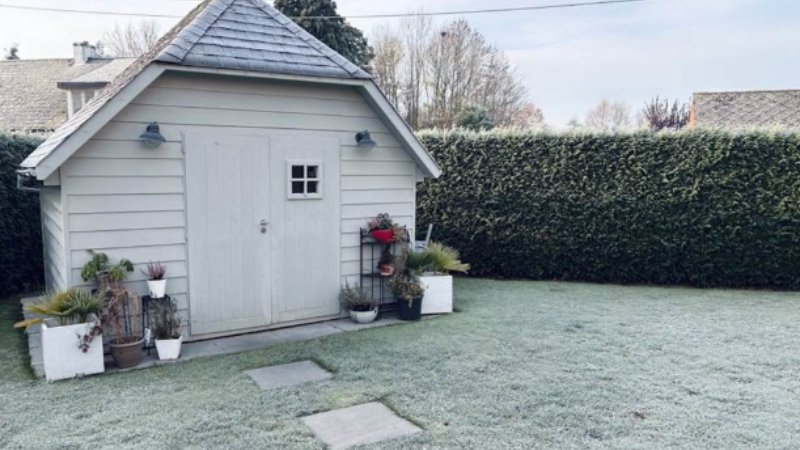
Clutter outside looks worse than inside. There’s no wall to absorb it. So storage has to work quietly. Benches with lids, boxes that double as tables, shelves tucked behind taller plants. Around this point, people start thinking about bigger solutions like storage sheds, especially when tools pile up, or seasonal stuff keeps circling back with nowhere to go. It makes sense, pulling bulky items out of sight clears the eye fast, plus it protects things from the weather, which means less replacing later. But even without a full shed, the idea holds: hide what doesn’t need to be seen, keep only what earns its place. Too much visible storage becomes clutter again. Balance shifts. You adjust.
Use Height, Keep It Flexible
Ground space runs out first every time. You fill it without noticing, then suddenly there’s nowhere to step. So shift the focus upward. Walls, fences, even the side of a shed, if it exists, use all of it. Hooks hold tools without fuss, narrow shelves carry pots without eating space, a simple rail can take gloves, small gear, and odd items that usually get lost. It doesn’t need to look planned or polished. Slightly uneven is fine, maybe better; it keeps things from feeling stiff or overdone. What matters is access. Vertical storage keeps everything in reach but off the ground, which changes more than it seems: rainwater drains instead of pooling, dirt doesn’t gather the same way, and cleaning gets easier. You can sweep without lifting ten things first. Small shift, but it saves time every week.
At the same time, don’t let the layout lock itself in place. Heavy furniture does that. It fixes everything where it stands. You stop moving things not because it’s right, but because it’s hard. So go lighter where you can. Foldable chairs, stackable stools, and a table that slides without effort. Pieces that move without thinking. Matching sets look neat, but they don’t adapt well; mixed furniture usually works better because each piece can serve more than one role. You pull out what you need, push it back later, or don’t, it still works. The goal isn’t perfect placement. It’s easy. If the setup fights you, you avoid using the space. If it’s simple, you step outside more often, shift things without noticing, and keep it active. That’s where organization holds, somewhere between structure and movement, not fixed, not messy either.
Weather Decides More Than You Do
Plans look neat on paper, then wind shows up. Or rain. Or heat that warps plastic and fades fabric in weeks. So materials matter, but not in a fancy way. Just choose what survives where you live. In humid places, avoid things that rot quietly. In dry heat, watch for cracking. Covers help, but only if you actually use them; many don’t. Better to choose tougher items and accept some wear. Outdoor organization is partly maintenance, partly surrender. You control some, the rest shifts.
Pathways That Stay Clear
It’s simple but ignored; if you can’t walk through easily, the space fails. Keep main paths open. Not wide like a road, just enough to move without turning sideways. This means saying no to extra items even if there’s technically room. Space isn’t just square footage; it’s movement. Leave gaps. Empty space is functional, not wasted. People forget that. Then they fill it again.
Small Containers, Fewer Piles
Loose items become piles. Piles become permanent. Break them early. Use small containers, not big bins that swallow everything. Smaller ones force decisions. You can’t dump endlessly. Labeling helps, but isn’t required; memory works if the system is simple. Too many categories and you stop following them. Keep it rough, tools here, plant stuff there. Close enough.
Light and Visibility
If you can’t see it, you won’t use it. Or you’ll forget it’s there and buy another. Lighting fixes part of that. Not bright floodlights, just enough to see shelves, corners, the back of a box. Solar lights work, sometimes unreliable, but easy. Wired is steadier, more effort upfront. Either way, visibility reduces clutter long-term because you stop duplicating things you already own.
Let It Stay Slightly Messy
Perfect order outside doesn’t last. Trying to keep it that way wastes time. Better to aim for a controlled mess; everything has a place, even if it’s not exact. A chair slightly off, tools not perfectly aligned. That’s fine. The system should absorb that without breaking. If one misplaced item ruins the whole setup, it’s too rigid. Loosen it.
Maintenance Without a Schedule
Strict schedules fail. You miss a week, and it collapses. Instead, small resets. A few minutes, when you notice things slipping. Put two items back, wipe a surface, clear a path. Done. It accumulates. Big cleanups still happen, but less often. The space holds itself better. Not perfectly. Enough.
Outdoor organization never really ends. Seasons rotate, needs shift, things break, new things come in. You adjust, again and again. There’s no final layout that solves it forever. That sounds annoying, but it’s actually easier, no pressure to get it right once. You just keep it usable. Clear enough to move, simple enough to maintain, flexible enough to change. That’s efficient. Not pretty all the time. But it works.