
A major renovation can quickly become stressful when homeowners jump into the process without enough preparation. Many people focus on paint colors, flooring, and design ideas while overlooking the decisions that affect timelines, budgets, and daily life. That usually leads to frustration halfway through the project.
Most renovation problems start long before construction begins. Poor planning, rushed contractor choices, unrealistic budgets, and unclear expectations create pressure that could have been avoided earlier. The good news is that confidence has very little to do with renovation experience. It comes from knowing what to expect and preparing for the decisions ahead.
When homeowners take time to understand the process before work starts, they make smarter choices, communicate better with contractors, and feel far more comfortable handling setbacks when they happen.
Learn What Your Home Is Hiding
Many renovation surprises come from problems homeowners never knew existed. Older homes, especially, can hide outdated wiring, plumbing issues, uneven framing, moisture damage, or structural changes made years ago without proper planning.
That is why inspections and early evaluations matter before major work begins. Contractors often need to open walls, ceilings, or flooring before they fully understand the condition of the house. Homeowners who expect this process usually handle changes more calmly.
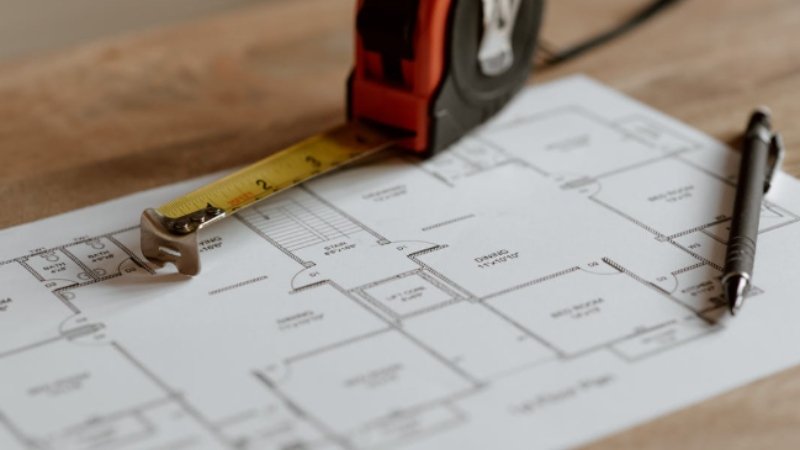
It also helps to understand the basic structure of the home before changing layouts. Removing walls, moving plumbing, or adjusting windows can affect costs and timelines significantly. Understanding a house blueprint can come in handy and help homeowners ask smarter questions during planning discussions.
Knowing what your home may be hiding gives you a more realistic view of the renovation before construction begins.
Stop Expecting Perfect Timelines
One of the biggest mistakes homeowners make is assuming renovations follow a clean, predictable schedule. Even well-organized projects experience delays. Materials arrive late, inspections take longer than expected, and certain repairs only become visible after demolition begins.
That does not always mean the contractor is doing poor work. Renovation timelines depend on many moving parts that homeowners cannot fully control. Preparing mentally for possible delays helps reduce frustration when plans shift.
It also helps to ask contractors detailed questions before work begins. Find out which parts of the project are most likely to affect the timeline. Ask how delays are communicated and whether schedule updates happen weekly or daily.
A flexible mindset makes the renovation process easier to manage. Homeowners who expect occasional setbacks usually feel less overwhelmed once construction starts moving.
Hire People You Can Communicate With
Good communication matters just as much as technical skill during a renovation. A contractor may have strong experience, but poor communication can still create confusion, delays, and tension throughout the project.
Pay attention to how contractors respond during the early conversations. Do they answer questions clearly? Do they explain problems in a way that makes sense? Do they listen carefully when you describe your priorities? Those early interactions often reveal what working together will feel like later.
References and online reviews help, but direct communication matters more during a long renovation. Homeowners should also ask how updates are handled during construction. Some contractors provide weekly walkthroughs, while others rely mostly on text or email.
You do not need constant contact, but you should always feel comfortable asking questions and discussing concerns honestly.
Make Decisions Before Demolition Starts
Renovation projects slow down quickly when homeowners postpone important decisions until construction is already underway. Contractors often need answers about tile sizes, fixture placement, cabinet dimensions, paint finishes, and hardware long before installation begins. Waiting too long can delay orders and create scheduling problems for multiple trades.
It helps to finalize as many selections as possible before demolition starts. Create a simple folder with product links, measurements, finish samples, and approved design choices. This makes communication easier and prevents confusion later.
Homeowners should also think carefully about practical details instead of focusing only on appearance. For example, cabinet depth, lighting placement, and storage access affect daily use more than decorative details. Good planning reduces rushed decisions and gives contractors a clearer path from start to finish.
Avoid Trends That Age Quickly
Many renovation trends look exciting online, but become outdated surprisingly fast. Homeowners often regret choosing designs that felt popular in the moment instead of selecting features that fit their long-term lifestyle. Renovations cost too much money and create too much disruption to chase short-lived trends without careful thought.
This does not mean every design choice needs to feel plain or overly safe. It simply helps to focus on elements that stay practical over time. Neutral flooring, durable materials, quality lighting, and functional layouts usually hold up better than highly specific styles that dominate social media for a few years.
It is also smart to think about maintenance before choosing materials. Some trendy finishes scratch easily, show dirt quickly, or require frequent upkeep. A renovation should make daily life easier rather than creating extra work afterward.
Prepare for the Disruption at Home
Living through a renovation affects daily routines more than many homeowners expect. Noise starts early, workers move in and out throughout the day, and rooms may become unusable for weeks. Dust also travels farther than people assume, especially during demolition and flooring work.
Preparing your home ahead of time makes the process easier to manage. Pack away valuables, cover furniture properly, and create temporary spaces before construction begins. If the kitchen is being renovated, set up a small backup area with basic appliances and supplies in another room.
Families with children or pets should think carefully about safety and routine changes. Construction zones can become stressful and unpredictable. Planning around meals, work schedules, and sleeping arrangements helps reduce frustration once the project becomes busy and noisy during active construction phases.
Keep Communication Organized
Small misunderstandings during renovations can turn into expensive corrections later. Clear communication helps homeowners avoid confusion about timelines, material choices, layout details, and project expectations. Verbal conversations alone are easy to forget once construction becomes busy.
Keeping written records makes the process smoother for everyone involved. Save estimates, product approvals, invoices, and schedule updates in one place. Email summaries after important conversations can also help confirm details before work continues.
Homeowners should schedule regular check-ins with contractors instead of raising concerns randomly throughout the day. Consistent communication keeps projects organized and allows problems to be addressed early. It also helps contractors plan labor and materials more efficiently.
Staying involved matters, but hovering over workers constantly usually creates tension. Respectful communication builds stronger working relationships and creates a more productive renovation environment overall.
Good planning creates a smoother experience from start to finish. Clear goals, thoughtful budgeting, careful contractor selection, and organized communication all help reduce stress during the project. Taking time to understand how your home works also leads to smarter renovation decisions that improve daily living over the long term.
Every renovation comes with some level of disruption and uncertainty. That part is normal. The difference is how prepared you feel when those moments happen. When homeowners stay informed, flexible, and organized, renovations feel far more manageable and much less overwhelming.