
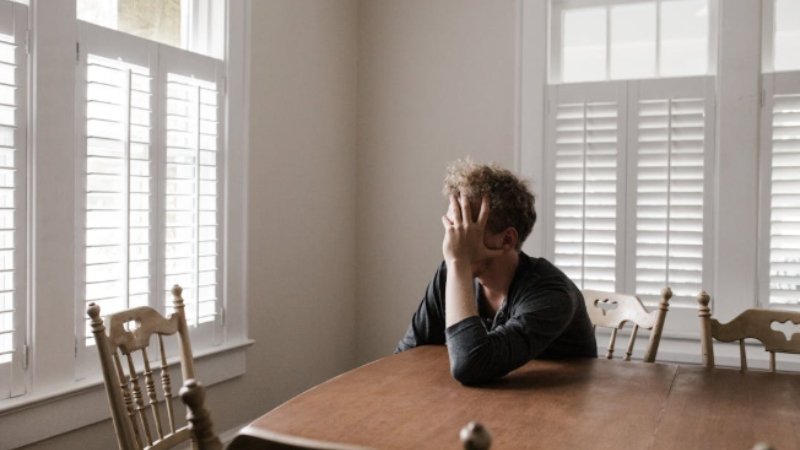
Many people notice stress emotionally before they recognize what it is doing physically. A few restless nights turn into daily fatigue. Minor headaches become routine. Jaw pain, stomach discomfort, and skin flare-ups start showing up without a clear reason. The American Psychological Association has repeatedly reported that stress affects physical health in significant ways, yet many adults still dismiss these symptoms as part of a busy lifestyle.
The body reacts to stress much faster than most people realize. When stress continues for weeks or months, the nervous system stays active for longer than it should. That ongoing pressure can affect sleep, digestion, muscles, concentration, and even breathing patterns. The difficult part is that these symptoms rarely appear all at once. They build slowly and often feel unrelated. Understanding these warning signs early can help people manage stress before it starts affecting daily life in bigger ways.
Jaw Tension You Barely Notice
Stress often shows up in the jaw before people connect it to emotional pressure. Many adults clench their teeth during work, while driving, or while sleeping without realizing it. Over time, this habit creates soreness around the jaw, temples, ears, and even the neck. Some people notice clicking sounds when chewing. Others wake up with facial tightness or sensitive teeth in the morning.
Jaw tension usually increases during stressful periods because the body stays physically tense for long stretches. Poor posture and constant screen use can make the discomfort worse. In some cases, bite alignment problems can add extra pressure to the jaw area. An orthodontic consultation can help patients explore treatment options that may improve bite alignment and reduce strain caused by clenching or uneven pressure. Paying attention to jaw habits during the day, reducing caffeine late in the evening, and improving sleep routines can also help ease ongoing tension.
Headaches That Start Feeling Normal
Stress-related headaches often become part of a person’s routine before they realize something is wrong. Many people blame long workdays, screens, or dehydration, but ongoing tension in the body plays a major role. Stress causes muscles around the neck, shoulders, scalp, and jaw to tighten. That tightness creates dull pressure that can last for hours. Some people wake up with headaches after clenching their jaw during sleep, while others feel discomfort build slowly throughout the afternoon.
These headaches usually appear during mentally exhausting periods. Tight deadlines, poor sleep, and constant notifications keep the body alert for too long. Ignoring the pattern makes the problem harder to manage. Short movement breaks, stretching the neck and shoulders, limiting late-night screen time, and improving sleep habits often reduce tension headaches more effectively than relying on pain relievers alone.
Digestive Issues That Come and Go
Stress has a direct effect on digestion, which is why stomach problems often appear during emotionally demanding periods. Some people lose their appetite completely, while others crave sugar, caffeine, or processed food. Bloating, acid reflux, nausea, stomach cramps, and irregular digestion can all become more noticeable when stress levels stay high.
The gut and brain constantly communicate with each other through the nervous system. When the body feels stressed, digestion slows down or becomes less efficient because the brain focuses on staying alert rather than resting and processing food properly. Fast eating, late-night meals, and eating while distracted can make symptoms worse.
Many adults overlook this connection and focus only on food choices. Eating more slowly, staying hydrated, cutting back on excessive caffeine, and giving the body regular meal times often improve stress-related digestive discomfort more than people expect.
Skin Problems During Stressful Periods
Skin often reacts quickly when stress levels rise. Many adults notice sudden breakouts, redness, dryness, itching, or flare-ups of existing skin conditions during busy or emotionally difficult periods. Stress hormones can increase inflammation and oil production, which makes the skin more sensitive and reactive.
Poor sleep and inconsistent eating habits during stressful weeks also affect skin health. Some people touch their face more often when anxious, while others skip skincare routines completely because they feel mentally exhausted. These small habits add up over time.
Stress-related skin issues can feel frustrating because they appear unexpectedly and may continue even after stressful situations improve. Paying attention to sleep quality, hydration, and daily routines usually helps more than constantly changing skincare products. Persistent skin changes should still be evaluated by a healthcare professional, especially when irritation, pain, or inflammation keep returning regularly.
Muscle Tightness That Never Fully Goes Away
Many people carry stress in their muscles without noticing it at first. The shoulders rise slightly, the neck stiffens, and the lower back starts feeling tight after long days. Over time, that tension becomes constant. Stress activates the body’s alert system, which causes muscles to stay partially tightened for longer than necessary. This physical response made sense during short-term danger, but modern stress often lasts for weeks or months.
Desk jobs, long commutes, caregiving responsibilities, and poor posture can make muscle tension worse. Some people stretch regularly but still feel discomfort because the body never fully relaxes. Small habits throughout the day matter more than one intense workout. Standing up regularly, relaxing the shoulders consciously, walking after work, and reducing screen time before bed can help muscles recover more effectively and reduce daily stiffness.
Why People Ignore Stress Signals
Stress symptoms often become part of daily life gradually, which makes them easy to overlook. A person adjusts to headaches, poor sleep, digestive discomfort, or fatigue because the symptoms build slowly over time. Busy schedules also encourage people to keep pushing through discomfort instead of paying attention to what their body is signaling.
Many adults focus on managing individual symptoms while ignoring the bigger pattern connecting them. They treat headaches with pain relievers, rely on caffeine for energy, or blame poor sleep on temporary stress without recognizing how long the cycle has lasted. This approach delays proper recovery and can make symptoms harder to manage later.
Paying attention to recurring physical changes matters. The body usually gives warning signs before stress becomes overwhelming. Recognizing patterns early allows people to make healthier adjustments before emotional and physical exhaustion become more serious.
Stress affects far more than mood. It changes the way the body sleeps, digests food, processes tension, breathes, and recovers from daily demands. Many physical symptoms that seem unrelated often connect back to long-term stress and an overworked nervous system. Headaches, jaw discomfort, fatigue, skin flare-ups, muscle tightness, and brain fog can all develop gradually when stress remains constant.
The challenge is that these symptoms often feel normal after a while. People adapt to feeling tired, tense, or mentally overloaded without questioning why their body keeps reacting that way. Paying attention to recurring patterns can help prevent larger health problems later. Small changes such as improving sleep habits, reducing overstimulation, moving more regularly, and taking stress seriously can make a meaningful difference in both physical and mental health over time.