
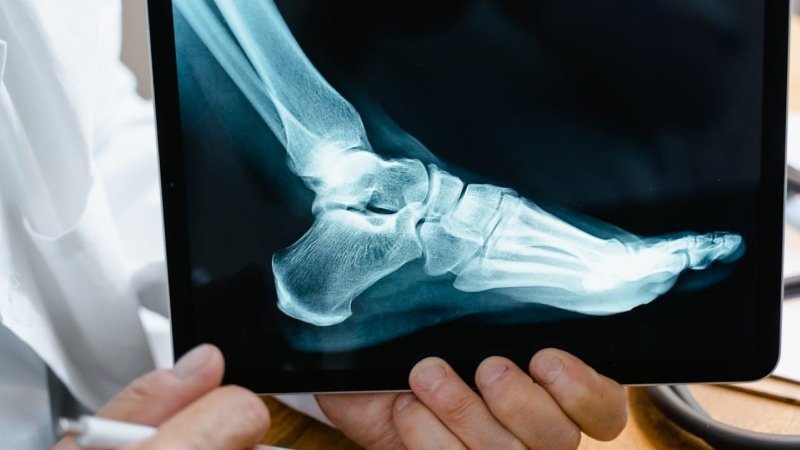
Foot discomfort rarely appears out of nowhere. A dull ache after work, soreness near the heel in the morning, or that familiar pressure near the arch is often connected to routines that seem harmless at first. Many people blame age, activity, or “just being on their feet too much,” although smaller daily habits usually play a larger role than expected. A rushed-out-the-door kind of routine can slowly place strain on the body without much warning.
The feet absorb pressure constantly. They support posture, balance, movement, and body weight during nearly every activity throughout the day. When certain habits are repeated often, stress begins building gradually in the muscles, tendons, and joints. The discomfort may start mildly, although ignoring those early signals can make movement harder and more frustrating later. Paying attention to ordinary routines is often where lasting relief begins.
The Shoes Might Be Working Against You
Many people wear shoes based on appearance or convenience instead of support. That decision may not seem important during a busy morning, although poorly fitted footwear can place repeated pressure on the feet throughout the day. Flat soles, narrow toe boxes, or worn-out cushioning may contribute to discomfort more than expected.
Foot pain is sometimes treated casually until it begins affecting movement, posture, or daily routines. In situations where discomfort keeps returning, despite changing shoes or stretching regularly, people should consult custom orthotics specialists to better understand whether foot alignment or pressure distribution could be contributing to the issue. Personalized support can sometimes help address the strain that standard footwear does not properly manage.
High heels, unsupportive sandals, or shoes without arch support are commonly linked to ongoing soreness. The body adapts temporarily, although the pressure is still being absorbed by the feet and ankles repeatedly. Would walking feel easier if the feet were supported properly instead of constantly compensating?
For example, someone working long retail shifts may wear lightweight fashion sneakers that lack proper cushioning. Another person may exercise regularly in running shoes that have already lost structural support. In both cases, the discomfort may seem mysterious at first, although footwear habits are quietly shaping how pressure moves through the body.
Replacing shoes at the right time matters as well. Worn soles and uneven support can affect balance and movement patterns, even when the shoes still appear usable from the outside.
Standing Still Can Be Harder Than Walking
Many people assume foot strain comes mostly from exercise or physical activity. Surprisingly, standing in one position for long periods can place just as much stress on the feet. Cashiers, teachers, warehouse workers, hairstylists, and healthcare employees often experience discomfort because pressure is being held in the same areas repeatedly.
When movement is limited, circulation may be affected, and muscles may become fatigued faster. The body was built for movement, although modern routines often involve extended standing on hard surfaces with very little variation.
Simple adjustments can help reduce strain:
- Supportive footwear should be worn during long work shifts.
- Stretching breaks should be taken throughout the day.
- Standing posture should be adjusted regularly instead of locking the knees.
- Hard flooring should be softened with supportive mats whenever possible.
- Tight calf muscles should be stretched consistently.
- Weight should not remain shifted to one side for extended periods.
These habits may appear small, although they directly affect how pressure travels through the feet and lower body.
Some people notice discomfort only after sitting down at the end of the day. Others feel sharp heel pain the moment they get out of bed the next morning. These patterns are often connected to repeated strain rather than sudden injury.
Your Daily Stress Can Show Up In Your Feet
The body responds to stress physically, even when emotional pressure is not being discussed openly. Tight muscles, poor sleep, jaw clenching, and body tension are common reactions. Stress shows up in your body in ways that are sometimes subtle, and the feet are not excluded from that pattern.
People under stress may walk differently, tense their muscles unconsciously, or develop habits that place more pressure on certain areas of the feet. Physical discomfort can become worse during emotionally demanding periods because the body remains tense for long stretches of time.
Lifestyle routines also matter here. Skipping movement during busy weeks, wearing unsupportive shoes for convenience, or pushing through fatigue repeatedly can increase physical strain. Long commutes, standing through stressful work shifts, or spending hours sitting without stretching can all contribute to discomfort.
Sleep quality affects recovery as well. Muscles and connective tissues recover more effectively when the body is rested properly. Without enough recovery, soreness may linger longer and feel more noticeable throughout the day.
Hydration and nutrition play supporting roles, too. Tightness, inflammation, and fatigue can become more pronounced when the body is depleted. Foot discomfort is not always caused by one dramatic issue. In many cases, several small habits are working together quietly in the background.
Better Foot Care Usually Starts With Better Awareness
Most daily habits feel harmless because they are repeated automatically. Shoes are thrown on quickly, posture is ignored during work hours, and discomfort is brushed aside until movement becomes frustrating. The body adapts for a while, although constant strain eventually asks for attention.
Foot health deserves more awareness because it affects nearly every part of daily life. Walking, exercising, standing at work, and even balance depend heavily on how the feet function. When discomfort begins interfering with those activities, quality of life can shift more than expected.
Improvement does not always require dramatic changes. Sometimes relief begins with supportive footwear, more consistent stretching, better posture habits, or professional guidance when discomfort refuses to improve. Small adjustments often create meaningful differences because pressure is reduced before the body becomes overwhelmed.
The feet carry more responsibility than people often realize. Paying attention to daily routines, movement habits, and recurring discomfort can help prevent smaller issues from becoming larger limitations later. When support, movement, and recovery are treated seriously, everyday life usually feels more comfortable, more stable, and far less physically draining.