Ensuring your family has access to nutritious food during emergencies is essential. Establishing a long-term food storage system provides peace of mind and stability during unforeseen events. Here’s how you can create a dependable pantry that stands the test of time.
Key Takeaways
- Long-term food storage helps ensure food security and stability during emergencies.
- Proper preservation methods like vacuum sealing and freeze-drying extend shelf life significantly.
- Stock essential pantry staples such as grains, legumes, canned goods, and freeze-dried meals for balanced nutrition.
- Store food in cool, dry, dark, and pest-free conditions to maintain quality and safety.
- Use bulk storage systems and label items to improve organization and rotation.
Understanding the Basics of Long-Term Food Storage
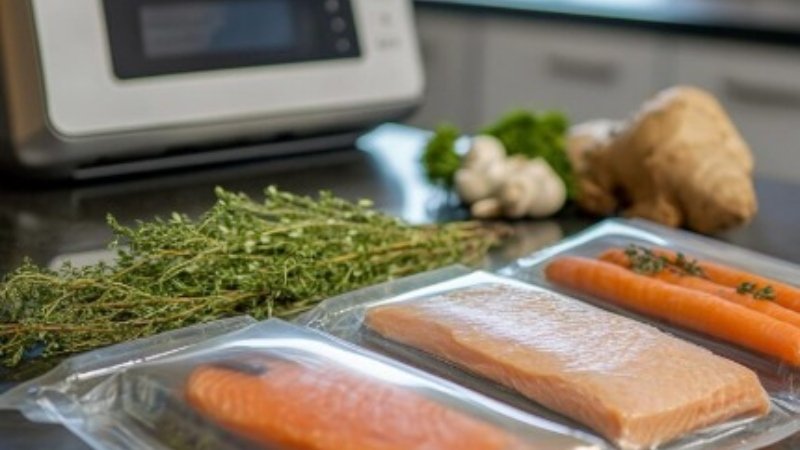
Long-term food storage involves preserving food to maintain its nutritional value and safety for extended periods. This process typically involves removing moisture, oxygen, and light, which contribute to food degradation. Modern preservation methods, such as freeze-drying and vacuum sealing, can significantly extend shelf life. For instance, freeze-dried foods can last up to 25-30 years when stored properly. Using vacuum seal bags is an effective way to extend the shelf life of your food supplies. These bags remove air, significantly reducing the risk of spoilage and freezer burn. Vacuum Sealers Unlimited offers a range of high-quality vacuum seal bags suitable for various food items. With years of industry experience, they offer products that cater to both household and commercial needs, ensuring your food stays fresh for extended periods. Their services are available nationwide, making them a reliable choice for your food preservation needs.
Essential Components of a Long-Term Food Pantry
When stocking your pantry, focus on shelf-stable staples that offer versatility and nutrition:
- Grains: Rice, oats, and pasta provide a solid foundation for various meals.
- Legumes: Dry beans and lentils are excellent protein sources.
- Canned Goods: Vegetables, fruits, and soups add variety and essential nutrients.
- Nut Butters: Peanut butter or other nut butters offer healthy fats and protein.
- Freeze-Dried Meals: These are lightweight, have a long shelf life, and retain nutritional value.
Proper Storage Techniques
To maximize the longevity of your food supplies, adhere to the following storage principles:
- Cool: Store food in a cool environment, ideally between 40-70°F, to slow down spoilage.
- Dry: Keep storage areas dry to prevent mold and bacteria growth.
- Dark: Protect food from light exposure to maintain quality.
- Pest-Proof: Use airtight, rodent-proof containers to safeguard against pests.
Bulk Storage Solutions and Tips
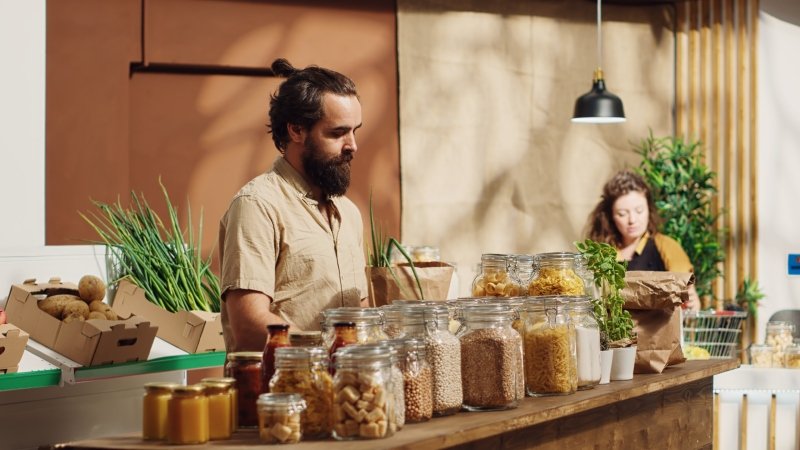
If you have the space, consider larger bulk storage methods, especially if you’re preparing food reserves for an entire family or buying in bulk to save on costs. Food-grade buckets paired with mylar bags and oxygen absorbers are a trusted method among preppers and homesteaders alike for storing grains, beans, flour, or other dry goods for several years. Label each container with the packing date and contents for easy identification. Additionally, try to keep heavier items on lower shelves to prevent injury or accidents when accessing supplies. When planning your storage, it’s helpful to organize foods by category and frequency of use. Daily staples can have a dedicated shelf, while less frequently used items like baking ingredients or specialty freeze-dried goods can be placed higher up or in more remote locations of your storage area. This not only helps with rotation but makes inventory checks far easier, enabling you to keep track of what you have at a glance.
Budget-Friendly Strategies
Building a long-term food storage system doesn’t have to be expensive. Gradually expanding your reserves through routine purchases and taking advantage of sales can help you build supplies without straining your budget. Try setting aside a small portion of your grocery budget each week specifically for storage items. Over time, this incremental approach adds up. Check local stores for bulk discounts, especially on staple goods or during seasonal sales. Many food items, like oats, flour, and canned vegetables, are often discounted significantly around holidays or during store-specific promotions. Don’t overlook smaller ethnic markets, as they frequently offer staple grains and legumes at lower prices than larger grocery chains.
Safe Water Storage: Don’t Forget Hydration
No long-term food storage plan is complete without considering water. Aim to store at least 1 gallon of water per person per day for at least 2 weeks. Water should be stored in food-grade containers, kept away from direct sunlight, and replaced or rotated every 6 months to maintain freshness. Consider having a portable water filtration system or purification tablets on hand for situations where you might need to supplement or sanitize stored water. Clean, safe water is essential not just for drinking, but also for cooking, cleaning, and basic hygiene.
Incorporating Stored Foods into Daily Life
Integrating stored foods into your regular meals ensures rotation and prevents waste. This practice also familiarizes your family with these items, making transitions during emergencies smoother. For example, using canned vegetables in daily cooking helps maintain a fresh supply and reduces the risk of spoilage. One practical approach is to designate a “pantry challenge” week every few months, focusing on preparing the majority of your meals from storage. This not only rotates supplies but helps identify any gaps in your stocks or items your family doesn’t enjoy. Keeping favorite recipes that use stored ingredients will ease meal preparation when you are limited to what’s in your pantry. Experiment with simple substitutions, such as using powdered milk in recipes or creating soups from dried beans and canned vegetables, to build familiarity and confidence.
Regular Maintenance and Rotation
Periodically inspect your food storage for signs of spoilage or pest infestation. Implement a “first in, first out” system to use older items first, ensuring nothing goes to waste. Regularly updating your inventory helps maintain a fresh and reliable food supply. Keep a written or digital inventory and check it monthly. Note expiration or best-by dates and set reminders for upcoming product rotations. Involving family members in the process encourages shared responsibility and prepares everyone to access and manage supplies effectively should an emergency arise. Rotate items during routine grocery trips, pulling older items forward and replenishing with new products in the back- a simple system that can save money and prevent losses.
Conclusion
Establishing a long-term food storage system is a proactive step toward ensuring your family’s well-being during emergencies. By selecting appropriate foods, employing proper storage techniques, and integrating these items into your daily routine, you can build a pantry that offers security and peace of mind for years to come. Remember, food security starts with small, consistent steps. Whether you’re building up supplies gradually, experimenting with recipes, or simply organizing your shelves, every action strengthens your household preparedness. Planning and staying mindful of storage principles will allow you and your loved ones to face uncertainties with confidence, knowing you have a reliable source of nourishment at your fingertips.