
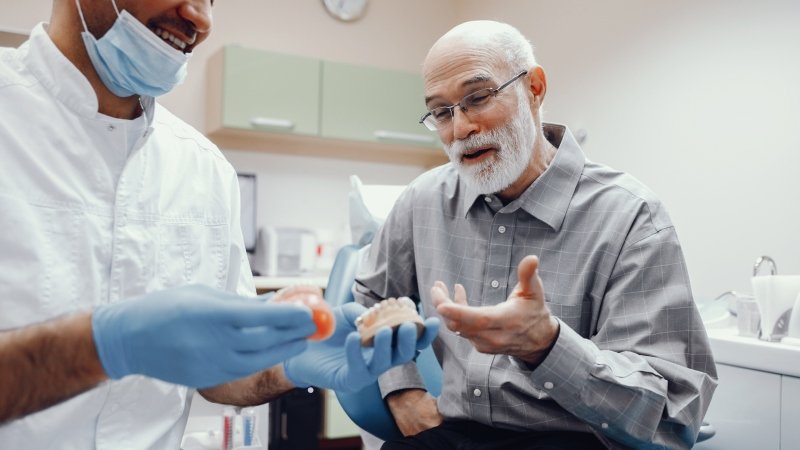
Adapting to upper dentures can feel overwhelming at first, but today’s solutions provide a pathway to a normal, confident lifestyle. Whether you are new to the experience or supporting a loved one, knowing what to expect and how to care for yourself makes the transition much smoother. Learning about modern false teeth options and best practices sets you up for comfort and lasting success.
From the first day you wear upper dentures, you will need to make small adjustments to your daily habits. However, these changes will become second nature over time. Persistence, attention to oral hygiene, and regular communication with your dentist are the foundation of successful denture use. With proper maintenance and a positive approach, you can restore normal eating, speaking, and smiling with confidence. Many people find that the transition unlocks greater freedom in their lives, supporting health and self-esteem through a bright, functional smile. If you ever feel unsure about the process or need professional assistance, the team at Advanced Smiles Marion provides personalized care and resources to make your journey as smooth as possible.
Key Takeaways
- The first weeks with upper dentures require patience and gentle routines while your mouth adjusts.
- Consistent cleaning and proper storage are essential for denture longevity and oral health.
- Eating and speaking with dentures becomes easier with practice and minor habit changes.
- Seeking professional care maintains optimal fit and prevents common complications.
The Initial Adjustment Period
The first few days of wearing upper dentures can bring a mix of sensations. You might notice a heightened awareness of your mouth, increased saliva, or minor sore spots as your gums adjust to the appliance. Most people find that these early discomforts diminish significantly after 1 to 2 weeks. It can help to wear your dentures as much as recommended by your dentist so your mouth gets used to them. Allow yourself time to adapt, and be gentle with your mouth. If you experience lingering pain, schedule an adjustment visit rather than attempt to modify the dentures yourself. Remember to follow any special instructions your dental team provides at the start.
Daily Care and Maintenance
Keeping your dentures clean is one of the most important factors in their lifespan and your health. Food and plaque can accumulate on both the prosthetic and your gums, increasing the risk of irritation or infection if not addressed promptly.
- Daily Cleaning: After eating, remove your dentures and rinse them under water to wash away food debris. Every evening, use a soft toothbrush and denture-cleaning solution (not conventional toothpaste) to scrub away any lingering plaque.
- Soaking: Always soak your dentures overnight in plain water or a special soaking solution. This prevents them from drying out, cracking, or warping.
- Oral Hygiene: Even without all your natural teeth, cleaning your gums, tongue, and any remaining teeth with a soft brush or moist gauze helps prevent irritation and ensures a clean environment for your dentures.
Eating and Speaking with Confidence
The transition to eating with upper dentures often requires some patience. During the initial weeks, focus on eating soft foods cut into small, manageable pieces. Try chewing evenly on both sides of your mouth to keep the denture stable. As your comfort grows, you can gradually introduce a wider variety of foods. Sticky or hard foods might need extra caution, but most people find they can resume a normal diet with experience. If you’re concerned about certain foods or struggle with chewing, your dentist can recommend suitable alternatives or techniques. Speech may also feel different at first. Many people benefit from reading aloud or repeating words that seem challenging. Over time, your tongue and lips will adjust, and your speech will regain clarity. Simple practice means setbacks are temporary and usually resolve within a few weeks.
Maintaining Oral Health
Frequent dental check-ups become even more important with dentures. Only a dental professional can ensure that your dentures continue to fit well as your gums and jawbone change over time. Ill-fitting dentures can lead to mouth sores, problems with eating or speaking, and other complications. During your visits, your dentist will also check for signs of infection, inflammation, or oral health issues that may affect comfort or long-term results. Promptly addressing any problems helps you enjoy the fullest benefits of your dentures.
Common Challenges and Solutions
- Discomfort: Mild soreness is common, but your dental team should always address persistent or sharp pain. Adjustment appointments are simple and can prevent more serious problems.
- Slippage: If you notice your dentures move during eating or speaking, a small amount of denture adhesive may help. Persistent slippage often indicates the need for a professional refitting.
- Speech Difficulties: Repeated practice, and in rarer cases, a referral to a speech therapist can help you enunciate more clearly.
Tackling challenges early, rather than ignoring them, restores confidence and prevents avoidable setbacks.
Conclusion
Living with upper dentures is a journey that rewards patience, care, and openness to professional advice. With daily cleaning, regular dental visits, and practice, most people return to enjoying mealtimes, conversations, and smiles without hesitation. Stay proactive about your oral health and remember that support is always available when you need it.