
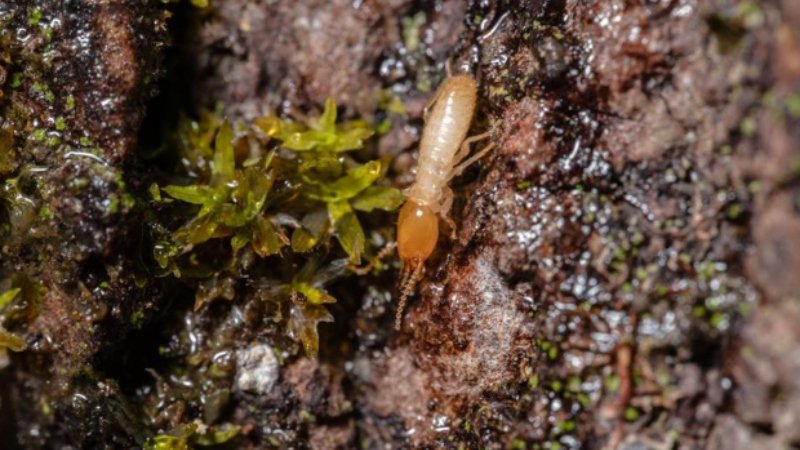
Homeowners often focus on visible upgrades, but structural integrity should remain a top priority in any home improvement plan. Pests are not just a nuisance that appears occasionally; they can quietly weaken the very framework that supports your home. Wood-destroying insects thrive in conditions that provide easy access to structural components, gradually compromising essential elements such as beams, floor joists, and subflooring.
Many infestations begin unnoticed, especially during seasonal swarming periods when winged insects appear around windows or light fixtures. Homeowners may assume these insects are harmless, but their presence can indicate a much larger issue hidden within walls or beneath the home. Understanding these early signs and taking action is essential to preventing long-term structural damage and maintaining property value.
Why Structural Pest Damage Is Hard to Detect Early
Structural pest damage often develops out of sight, making early detection difficult even for attentive homeowners. Termites and similar insects typically enter through soil contact points and move into wooden structures without leaving obvious surface damage. They feed on cellulose inside the wood, hollowing it out while leaving the outer layer intact. As a result, infestations can spread extensively before any visible signs appear, weakening key structural components without immediate detection.
A common challenge arises in spring as swarming insects gather around windows, doors, and light sources. This type of activity often indicates that a colony is already nearby or actively established within the structure. Because many pests develop similar winged features during this stage, it becomes difficult for homeowners to tell them apart. This confusion can make it harder to judge how serious the issue may be. Knowing whether you are seeing flying ants or termite swarmers is essential, as each points to a different level of structural risk and requires a specific response strategy.
The Hidden Costs of Structural Pest Damage
The financial impact of pest-related structural damage can escalate quickly once an infestation takes hold. Repairing compromised beams, joists, or subflooring often requires extensive labor and the replacement of materials. In severe cases, sections of flooring or support systems must be rebuilt entirely, leading to unexpected and significant expenses.
Beyond repair costs, structural damage can directly affect a home’s market value. During inspections, evidence of past or active infestations can raise concerns for potential buyers and may result in lower offers or delayed sales. Additionally, most homeowner insurance policies exclude damage caused by pests, leaving homeowners responsible for both repair and prevention costs. Addressing issues early helps minimize these long-term financial risks.
Identifying the Warning Signs: Mud Tubes and Exit Holes
Recognizing early warning signs is essential for preventing widespread structural damage. One of the most common indicators of termite activity is the presence of mud tubes along foundations or walls. These tubes provide a protected pathway for termites to travel between the soil and wooden structures while maintaining the moisture they need to survive.
Another key sign includes small exit holes in wood surfaces, which may be accompanied by fine debris or frass. Over time, affected wood may sound hollow when tapped or show signs of warping and weakening. Floors may begin to sag, and paint may bubble as internal damage worsens. Regular visual inspections of these areas can help homeowners detect problems early and take corrective action before structural integrity is significantly compromised.
How Moisture in Crawlspaces Attracts Wood-Boring Insects
Moisture plays a major role in attracting wood-destroying insects. Damp environments soften wood, making it easier for pests to penetrate and feed. Crawlspaces with poor ventilation or standing water create ideal conditions for infestations to develop and spread unnoticed. This environment supports both pest activity and wood decay simultaneously.
Common causes of excess moisture include plumbing leaks, inadequate drainage, and missing vapor barriers. Over time, elevated humidity levels weaken structural wood and increase the likelihood of decay. Managing moisture through proper ventilation and regular inspections reduces the risk of pest activity and protects critical structural elements. Consistent moisture control also improves overall indoor air quality.
Landscaping Mistakes That Invite Pests Toward Your Foundation
Outdoor maintenance decisions can directly influence pest activity near your home. Placing mulch or soil too close to the foundation creates a direct pathway for insects to reach wooden structures. Dense vegetation can also trap moisture and provide shelter for pests. These conditions increase the likelihood that pests will settle near structural entry points.
Improper grading can cause water to collect around the foundation, increasing damp conditions that attract termites and similar insects. Tree branches and shrubs that touch the home may act as entry points, allowing pests to bypass ground-level barriers. Keeping a clear perimeter around the home helps limit access and reduce the risk of infestation. Routine yard maintenance plays a key role in long-term prevention.
A Preventive Maintenance Checklist for Homeowners
Routine maintenance is one of the most effective ways to prevent structural pest damage. Sealing cracks in the foundation and promptly repairing leaks helps eliminate entry points and moisture sources. Regularly inspecting exposed wood areas can reveal early signs of damage before they become severe. These simple actions can significantly reduce long-term repair costs.
Homeowners should also store firewood away from the house and maintain a gap between the soil and wooden elements. Scheduling periodic pest inspections adds another layer of protection, especially in areas prone to infestations. Consistent upkeep supports long-term structural stability and reduces the likelihood of costly repairs. Preventative habits are essential for maintaining a secure structure.
Protecting Your Home for the Long Term
Preventing structural damage from pests requires a combination of awareness, maintenance, and timely action. Identifying early warning signs, controlling moisture, and maintaining proper landscaping all contribute to a stronger defense against infestations. Each step helps protect the integrity of essential components, such as beams and joists. A consistent approach ensures long-term structural performance.
A well-maintained home is less vulnerable to hidden damage and better positioned to retain its value over time. By staying proactive and addressing potential risks early, homeowners can preserve both safety and investment. Structural protection is not a one-time effort but an ongoing part of responsible homeownership. Long-term attention to detail helps avoid unexpected structural issues.