
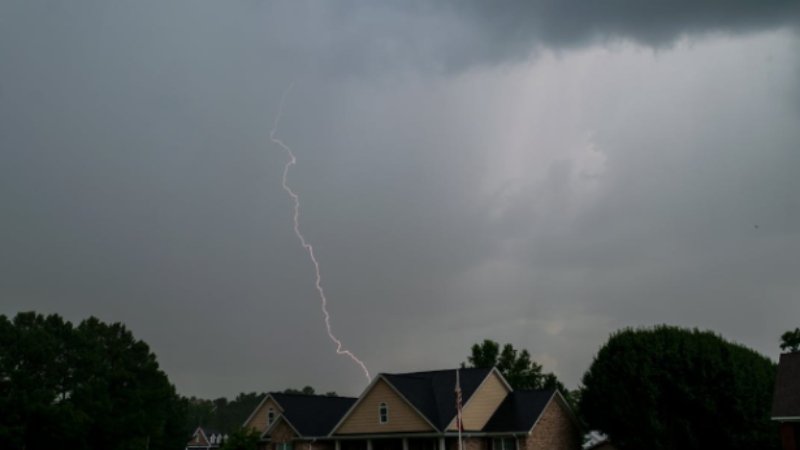
After a major storm passes, the damage is never evenly spread. One home might have minor cleanup, while the house next door faces broken doors, water inside, and costly repairs. This happens more often than people expect, and it raises an important question: What actually makes the difference?
Most homeowners assume survival depends on how strong the storm is. In reality, it often comes down to how well the home was prepared before the storm arrived. Small choices like the type of materials used, how things were installed, and whether issues were fixed early can decide the outcome. This article explains the real factors that separate a home that holds up from one that doesn’t.
Why Standard Materials Fall Short
A lot of homes look solid from the outside, but the materials used are often not designed for extreme weather. Standard doors and windows may handle daily use well, but they are not built to resist strong wind pressure or impact from debris.
During a storm, even small objects can hit your home with force. Regular glass can crack or shatter, and weaker frames can bend under pressure. Once that happens, the barrier between your home and the outside is gone.
This is where material choice starts to matter more than appearance. Homeowners who invest in stronger upgrades, like reinforced glass and better framing systems, see a clear difference during severe weather. In many cases installing hurricane-impact doors becomes a practical step because they are built to stay intact under pressure and resist debris.
Homes that perform better during storms use materials that are made to handle these conditions. Reinforced glass, stronger frames, and weather-resistant construction all help reduce the chances of failure. Choosing the right materials is not just about durability—it directly affects how your home responds under stress.
What Your Roof Is Really Telling You
Your roof handles the most exposure during a storm, yet many homeowners don’t pay close attention to its condition until there is a problem. Loose shingles, worn edges, or weak sealing can all become entry points for water.
When wind lifts even a small section of the roof, it creates an opening for rain to get inside. Once water enters, it spreads quickly through insulation, ceilings, and walls. This kind of damage often costs more to fix than the original issue.
A well-maintained roof stays sealed and secure under pressure. Regular inspections can help you catch early signs of wear, such as curling shingles or soft spots. Fixing these issues before storm season can prevent much larger problems later.
Water Damage Starts Outside, Not Inside
Many people focus on wind damage, but water often causes just as many problems. What surprises homeowners is that water damage usually begins outside the home, not inside.
If your gutters are clogged or your drainage system isn’t working well, water can collect around your home’s foundation. Over time, this weakens the structure and increases the risk of leaks. During heavy rain, this problem gets worse quickly.
Low spots around the house can also direct water toward your walls instead of away from them. That increases pressure on doors, windows, and the foundation. Keeping gutters clear, improving drainage, and checking the slope around your home are simple steps that can reduce the risk of serious water damage.
Small Issues That Turn Into Big Failures
Minor problems often go unnoticed because they do not cause immediate trouble. A loose hinge, a worn seal, or a small crack may seem harmless on a normal day. During a storm, these small issues can become the starting point for serious damage.
For example, a weak seal around a window can let in water under pressure. Once water gets inside, it spreads quickly and affects nearby materials. The same applies to doors that do not close tightly or frames that have shifted slightly over time.
Regular maintenance helps catch these problems early. Fixing them is usually simple and inexpensive, but ignoring them can lead to much larger repairs after a storm.
What You Do Before the Storm Matters Most
Preparation in the hours or days before a storm can limit damage in a very real way. Homes that perform better are usually the ones where homeowners took time to secure vulnerable areas ahead of time.
Simple steps like bringing in outdoor furniture, checking that doors and windows close tightly, and clearing gutters can reduce risks. Loose items outside can become dangerous when strong winds pick them up and throw them toward the house.
It is also important to check areas that you might not think about often, such as garage doors and side entrances. Making sure everything is secure before the storm arrives gives your home a better chance of handling the pressure without failure.
Why Long-Term Planning Always Wins
Last-minute fixes rarely provide real protection. A temporary patch or quick repair might hold up in mild conditions, but it usually fails under strong wind or heavy rain. Homes that survive storms tend to be the result of steady, long-term improvements.
Planning ahead allows you to upgrade materials, fix structural issues, and improve weak areas over time. This approach spreads out the cost and ensures each improvement is done properly.
It also gives you time to choose better solutions instead of rushing into quick decisions. When upgrades are done with care and planning, they work together to strengthen the entire home, not just one part of it.
The difference between a home that survives a storm and one that doesn’t is random. It comes down to how well the home was built, maintained, and prepared. Weak entry points, poor installation, and ignored repairs often lead to damage, while strong materials and proper upkeep help prevent it.
You do not need to upgrade everything at once. Start by addressing the most exposed areas and fixing small issues before they grow. Over time, these improvements add up and make your home more reliable when conditions get rough.
Storms are unpredictable, but how your home responds to them does not have to be. Making the right choices now can reduce damage and stress later.