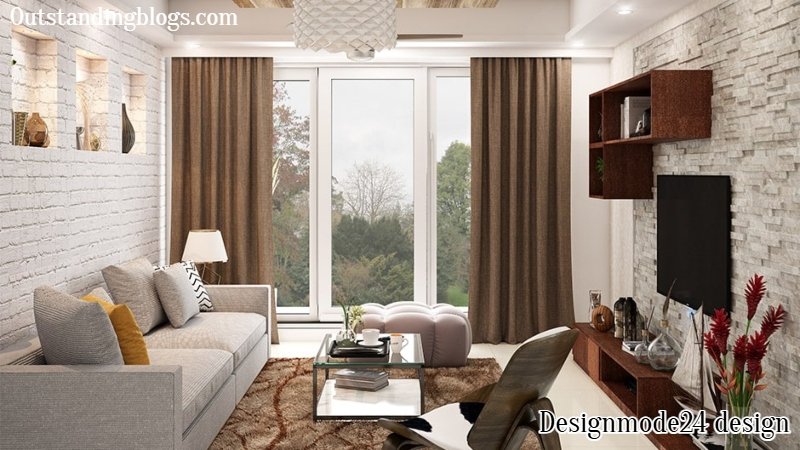
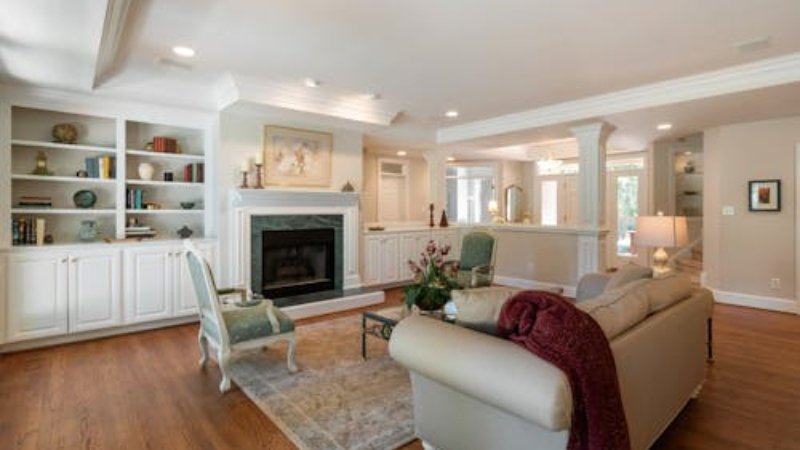
Small spaces don’t forgive clutter. They expose it. Every object left out becomes a decision you didn’t make earlier. So start there—cut first, don’t organize yet. People like to jump to bins and shelves, but that just hides excess; it doesn’t fix it. Keep what you use weekly, question what you use monthly, and everything else becomes a problem you carry forward. It sounds harsh, but space is limited; it has rules. A chair that holds clothes instead of people is wasted volume. Same with corners full of “maybe later” items. Clear surfaces matter more than full storage—empty space works like breathing room, it lets everything else function.
Use Vertical Space Like It Actually Matters
Walls aren’t decoration only; they’re storage waiting to happen. Tall shelving, hooks, stacked units—push upward instead of outward. Floor space disappears fast, but walls stay underused. Install shelves higher than eye level, not just at reach height. People hesitate there, but it’s usable for things you don’t need daily. Ladders help, small stools too. Closets can double their capacity if you add another rod, maybe staggered heights, shirts above, and shorter items below. Doors—often ignored—can hold racks, organizers, even narrow shelves. It’s not pretty sometimes. But it works.
Furniture Has to Do More Than One Job
In small living areas, single-purpose furniture feels like a luxury you can’t afford. A bed that doesn’t store anything underneath wastes a large footprint. Sofas with hidden compartments, ottomans that open, tables that fold—these aren’t clever tricks, they’re baseline tools.
Storage Outside the Home Counts Too
After a point, squeezing more inside stops working. That’s when external storage becomes practical, not excessive. Seasonal items, rarely used gear, boxes you don’t need weekly—they can live somewhere else. This is where something getting in touch with a company like Cookeville Storage makes sense; secure units hold what your apartment cannot without turning it into a warehouse. It’s not about avoiding decisions; it’s about relocating volume. Keep your living area for living, not for long-term holding. There’s a difference, and people blur it too often.
Layout Is Quietly Doing Most of the Work
Move things around. Then move them again. Layout affects how large or small a space feels more than the actual size. Pushing furniture against walls sometimes helps, sometimes it traps the room—it depends on the shape. Floating a sofa can create zones and break monotony. Zones matter; they tell your brain where things happen. Sleeping area, working corner, eating spot—even if they overlap slightly. Rugs can define these without building walls. Keep pathways clear; if you have to turn sideways to pass, the layout failed.
Light Changes Everything—Not Just Brightness
Natural light opens a room. Blocking it, even partially, makes everything tighter. Heavy curtains, bulky blinds—they close the space in. Use lighter fabrics, or none if privacy allows. Mirrors help, but not in a decorative way; place them where they reflect light, not just walls. Artificial lighting should be layered—overhead alone feels flat, small lamps create depth. Depth tricks the eye. And the eye decides how big a place feels, not the tape measure.
Containers Help, But Only If You’re Honest
Bins, boxes, baskets—use them, sure. But don’t let them become excuses. Labeling things you never open again isn’t organization. Transparent containers work better for some people; they remove guesswork. Others prefer hidden storage—clean look, less visual noise. Either way, limit how many systems you use. Too many styles, sizes, methods—it turns into chaos again. Keep it simple. One system per category if possible. Clothes one way, kitchen another. Not five variations for the same type of item.
Think About Movement, Not Just Storage
You don’t live in a static photo. You move. So your space should allow that without friction. Chairs that block doors, drawers that hit tables, cabinets that require shifting things every time—these small issues build frustration. Fix them early. It’s easier to adjust the layout than to tolerate annoyance daily. Sometimes removing one piece of furniture solves more than adding three storage solutions. Less is easier to move around. That matters more than people admit.
Keep Visual Noise Low
Too many colors, patterns, objects—they shrink a room visually. Neutral tones help, but not because they’re trendy; they reduce distraction. When the eye isn’t jumping between ten things, space feels larger. This doesn’t mean empty or boring. It means controlled. A few standout items, the rest kept quiet. Open shelving especially needs discipline—otherwise it becomes clutter on display. Closed storage hides imperfections. Use it when needed.
Rotate Instead of Expanding
You don’t need everything accessible all the time. Rotate items. Seasonal clothes, decorations, even kitchen tools—store some, bring others forward. This keeps the space active without increasing volume. It also forces you to reassess what you actually use. Things left in storage too long? Maybe they don’t need to come back. Let them go. Or keep them stored elsewhere, just not in your main living area.
Accept Imperfection
Small spaces rarely look perfect. Something will feel slightly off—too tight, too full, slightly mismatched. That’s normal. Don’t chase a showroom look; it wastes time. Focus on function first, then adjust appearance where possible. Sometimes a messy solution works better than a neat one that fails under daily use. Prioritize what works on a Tuesday morning, not what looks good in photos.
And that’s the core of it. Maximize what you have, remove what you don’t need, and use space with intent. Not every fix is pretty. Not every choice feels ideal. But small spaces reward clarity—clear purpose, clear layout, clear limits. Everything else just gets in the way.