
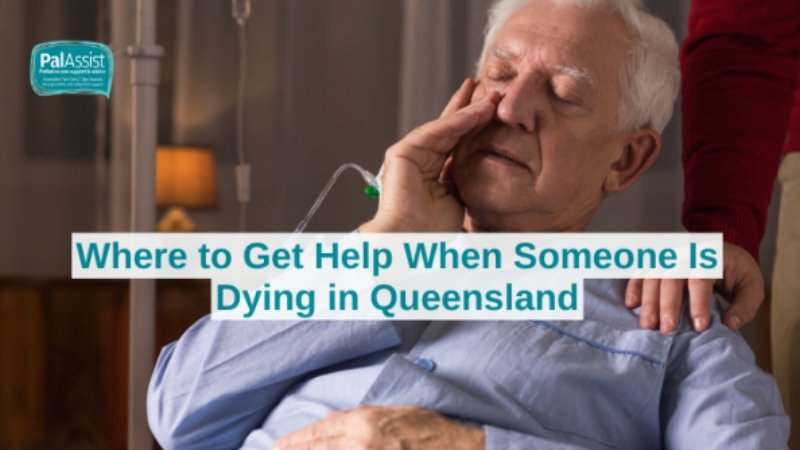
Families in Queensland can access multiple support services, including PalAssist, hospital palliative care teams, and community health programs for families caring for someone at the end of life. These services connect you with health professionals who manage symptoms and help your loved ones live with dignity.
However, the challenge here is knowing where to start. Across Australia, most palliative care services are free through Queensland Health’s public hospitals and community programs, but there can be out-of-pocket costs depending on circumstances.
This guide walks through the main support options available, explains what life-limiting illness means for care planning, and shows how to access services quickly for families facing final decisions. By the end, you’ll know exactly who to contact and what help is available immediately.
What Life-Limiting Illness Means for Care Planning
A life-limiting illness is any condition where a cure isn’t possible, and treatment focuses on comfort and quality of life instead (which might include advanced cancer, heart failure, or progressive neurological conditions). When someone receives a diagnosis of this type of condition, support planning shifts to address their evolving needs.

The care planning process covers several areas as follows:
- Focus on Comfort Rather Than Cure: Medical care aims to manage symptoms and pain rather than eliminate the illness. As a result, patients receiving palliative care work with health professionals to maintain dignity and live as comfortably as possible.
- Care Plans That Adapt Over Time: Care plans change over time to match your loved one’s needs. That’s why health teams adjust medications, monitor pain levels, and update approaches based on what’s most important to the person.
- Early Conversations About Decisions: Starting early discussions gives carers time to talk about important decisions. For example, families may need to discuss where the person wants to receive care, who makes decisions if they cannot, and what level of medical intervention feels right. Sometimes, answering these ahead of time lets you make an urgent decision.
- Practical Support Alongside Medical Intervention: Beyond medical care, preparing for treatment decisions includes everyday guidance, like emotional health, daily living assistance, and home equipment. This approach helps patients to maintain both independence and quality of life.
Keep in Mind: Starting care planning early reduces stress when circumstances change quickly.
Palliative Care Queensland: Support Services Available Now
Palliative care services in Queensland help you access experienced health professionals without any cost barriers. Through our work with Queensland households, we’ve seen how early connection with palliative care reduces unnecessary hospital admissions.

Once care professionals connect with you, a palliative care team enters to coordinate your assistance. They work together for both patients and carers, using their specialist skills to manage symptoms, coordinate treatment, and provide the care required at different stages.
Here are the kinds of support you can expect from each specialist:
Health Professionals Who Provide Palliative Care
Your general practitioner (GP) is usually the first contact point here. They assess symptoms, discuss treatment options, and arrange referrals to specialist palliative care teams in your local area. GPs also coordinate care between hospital services and community support.
From there, registered nurses visit often to monitor pain levels, adjust medications, and update care plans as needs change. If your loved one prefers staying at home, nurses can visit to handle symptoms and treatments without hospital trips.
Beyond nursing care, allied health professionals offer physiotherapy to maintain mobility and occupational therapy for daily living guidance. At the same time, social workers help families access resources and navigate practical decisions during treatment.
Emotional Support and Counselling Services
Grief, fear, and confusion are normal when someone is dying. In such situations, trained counsellors help families process difficult emotions together. As a result, the carers and family members get a space to talk about what they’re experiencing without judgment.
You might also find a connection through support groups. They link caregivers with others facing similar challenges when someone is dying (and sometimes just knowing you’re not alone makes the hardest days more bearable). These groups meet regularly across Queensland, either in person or online.
For deeper comfort, spiritual care workers provide peace regardless of religious background or beliefs. Plus, they support carers in finding meaning and dignity at this difficult stage of life.
Getting Started with Palliative Care Providers
Most families don’t realise how simple it is to connect with palliative care services in Queensland. You just need to talk to your GP about your patient’s symptoms and care needs. Then, they’ll create a referral to palliative care providers in your area.
If you need further guidance, Queensland services like PalAssist offer phone consultations with registered nurses and online chat assistance. We even maintain a searchable directory covering home nursing, hospice care, grief support, and health system navigation (available 7 AM to 7 PM, seven days a week). So, you can reach out to us anytime for advice about palliative care options and resources.
Public hospitals also offer direct access to palliative care teams. When the patient is already receiving treatment at a hospital, ask the medical staff about palliative guidance. They will arrange an immediate referral without going back through your GP.
Once a GP refers you to the Queensland Health network, care providers work together to deliver a range of support. This gives your loved one consistent care at home, in the hospital, or when moving between settings.
Quality Palliative Care at End of Life
Your loved one deserves care that respects their values and maintains their dignity throughout treatment. Based on feedback from carers we’ve supported, advance care planning consistently reduces decision-making stress during medical emergencies.
Let’s have a look at the two important elements that deliver quality palliative care assistance:
Advance Care Planning: Recording Your Wishes
Advance care plans document preferred treatments, resuscitation wishes, and care location choices. Also, they guide family members and health professionals when making choices on behalf of your loved one.
The early care planning discussions here often reduce stress when families face urgent situations. And talking through preferences now means loved ones won’t guess what the person wants during a crisis.
Fortunately, you don’t need to create care plans from scratch. Queensland Health provides free templates to complete advance care directives. So, patients can easily record their values, dignity preferences, and treatment boundaries in those templates.
Queensland Health Programs and Resources
Hospital teams and community nurses usually work together to deliver care where patients feel most comfortable. For example, hospital palliative care teams provide inpatient assistance at acute symptom episodes. Meanwhile, community palliative care nurses visit homes regularly to monitor symptoms and adjust medications.
Most importantly, carers themselves need breaks too. That’s why respite programs give family carers necessary breaks while ensuring continuous professional assistance.
Note: Queensland Health coordinates a committed network of palliative care services across regional areas. For this reason, patients receiving palliative care can access resources regardless of where they live in the state.
Find the Right Support Today
Palliative care in Queensland connects families with the medical and emotional support they need during the end of life. Plus, their services are available across the state, from hospital teams to community nurses who visit homes regularly.
If your loved one needs palliative care, contact your GP to start the referral process. You can also reach PalAssist directly for advice about palliative care options and resources available in your area. Our registered nurses answer questions and connect you with services throughout Queensland.