

In today’s café landscape, exceptional coffee is just the starting point. Modern cafés distinguish themselves through a blend of design, environmental initiatives, and a commitment to strengthening local communities. The evolution of the modern café scene draws inspiration from iconic venues like Great White Los Angeles, which exemplifies what happens when style, service, and philosophy come together. In this article, we’ll explore the defining features that set cafés apart.
With customers seeking more than just a caffeine fix, cafés must provide memorable experiences, foster connections, and demonstrate a genuine awareness of broader cultural values. Whether you are a café owner, coffee aficionado, or someone seeking the perfect third space, these principles offer insight into what makes a modern café thrive.
Key Takeaways
- Ambiance, design, and aesthetics play a vital role in shaping customer perceptions.
- Sustainable initiatives are increasingly crucial for modern hospitality businesses.
- Diverse menus attract a broader, more loyal customer base.
- Building community is essential for ongoing relevance and support.
Crafting a Unique Ambiance
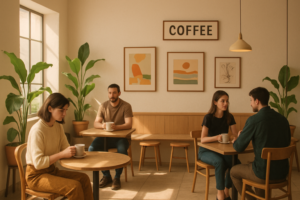
The visual and sensory environment of a café significantly influences how patrons feel and how long they choose to stay. Thoughtful use of natural light, stylish furniture, and artwork can establish an inviting setting. Many cafés have embraced minimalist decor with cozy features, proving that atmosphere can be both contemporary and warm. Unique design elements might include handmade ceramics, locally sourced decor, or flexible seating, all of which contribute to a memorable space. The ambiance becomes a signature, attracting both newcomers and regulars seeking an environment that inspires comfort and creativity. According to The New York Times, thoughtful design choices increasingly shape the way customers interact with a place, influencing everything from social media sharing to how communities form around these spaces.
Some café owners have started collaborating with local artists to create rotating exhibits, further deepening the establishment’s connection to its neighborhood. The addition of soothing background music, plants for a touch of nature, and carefully chosen color palettes helps foster an environment where guests are encouraged to linger and unwind. Lighting, in particular, plays a crucial role, not just bright enough for reading but also providing warmth in the evenings, ensuring that the transition from day to night is smooth and inviting. For those who work remotely or enjoy studying at cafés, these elements make the space supportive to focus yet relaxing enough to enjoy social breaks.
Embracing Sustainability
Environmental responsibility is at the heart of today’s leading cafés. Many adopt compostable packaging, partner with local growers, or integrate energy-saving appliances to reduce their ecological footprint. These efforts speak to customers who prioritize ethical consumption and environmental support. Not only do sustainable practices minimize waste, but they also appeal to those looking for establishments that reflect their values. The movement toward sustainability can also include sourcing direct-trade coffee, minimizing food miles, and upcycling furnishings.
In addition to these efforts, some cafés are investing in solar panels or supporting reforestation projects in coffee-producing regions. These initiatives aren’t just for show: environmentally-minded customers are often willing to pay a premium for coffeehouses that transparently document and communicate their green commitments. Transparent supply chains and seasonal menu choices, centered around local harvests, give customers a sense of connection with both the café and the farmers. Compost bins, recycling programs, and discounts for reusable cup use all help cement a café’s dedication to making a real ecological contribution, setting an example for others in the industry.
Offering a Diverse and High-Quality Menu
Menus in modern cafés cater to a range of tastes and dietary needs. Offering plant-based options, gluten-free pastries, and diverse drinks like matcha or turmeric lattes can draw in a broad customer base. Quality is prioritized by sourcing premium ingredients and preparing dishes to order. Seasonal menus also allow cafés to showcase fresh produce and support local farmers. Just as importantly, signature beverages and inventive menu creations offer patrons a reason to return and share their experiences with friends.
Furthermore, modern café menus often include options that cater to global palates, introducing customers to flavors from around the world while maintaining a focus on fresh, local ingredients. Creative breakfast bowls, artisanal sandwiches, and unique house-made syrups elevate the café experience above the ordinary. Successful cafés frequently update their offerings to reflect customer feedback, guaranteeing that the menu remains relevant and exciting. Pairings with local bakeries or specialty food providers can further highlight the region’s culinary strengths, fostering collaborations that benefit the entire community.
Creating a Community-Centric Space
The most successful cafés operate as more than just businesses; they are gathering spaces where people connect and collaborate. By hosting themed nights, art exhibitions, or live performers, cafés become a focal point for neighborhood culture. Many also provide opportunities for local makers to display or sell goods, strengthening community bonds. These initiatives not only enrich the social fabric but also boost loyalty among residents who value the café’s contributions outside of daily commerce.
Community involvement can go a step further; some cafés partner with local charities, run reading clubs, offer barista workshops, or provide a venue for grassroots meetings. These community-forward gestures foster a sense of ownership among regulars and reinforce the café as a cornerstone of civic life. When a café actively participates in local events or serves as an informal gathering spot for student and artist groups, its reputation as an inclusive, essential space grows, turning casual visitors into devoted locals.
Leveraging Technology
A seamless digital experience is another hallmark of the modern café. Customers have come to expect free Wi-Fi, cashless payment systems, and convenient online ordering. Some cafés use digital loyalty programs or apps to reward frequent guests. Social media remains an essential marketing tool, allowing cafés to share updates, highlight special promotions, and build an engaged online following. Photos of distinctive drinks or well-designed interiors often go viral, offering free word-of-mouth advertising.
Beyond the basics, some cafés are exploring innovative technologies, such as touchless ordering kiosks or QR code menus, to streamline operations and improve customer safety and convenience. Integration with delivery services or subscription models brings new revenue streams and attracts tech-savvy customers. Utilizing data analytics, cafés can better understand customer preferences and shopping patterns, enabling them to personalize offers and improve inventory management. These digital touchpoints, when seamlessly integrated, enhance the user experience and help cafés adapt quickly to changing market demands.
Prioritizing Customer Service
Despite technological advancements, outstanding customer service is always essential. Modern cafés invest in staff development and foster work environments focused on hospitality and rapport. Baristas and servers who remember customers’ preferences and offer warm greetings can transform a routine visit into a memorable outing. This personalized approach helps establish an emotional bond between the café and its patrons, leading to positive reviews and lasting relationships.
Ongoing training in both soft skills and coffee craft ensures that staff are equipped to answer questions, make thoughtful recommendations, and resolve issues efficiently. Customer service excellence also involves attentiveness to accessibility and inclusivity, guaranteeing that everyone feels welcome and accommodated regardless of background or ability. Thoughtful gestures, such as providing water service, remembering repeat guests’ favorite orders, or accommodating special requests, make patrons feel valued and respected—turning occasional customers into loyal advocates for the café.
Final Thoughts
Defining what sets today’s top cafés apart involves looking beyond coffee quality. From ambiance to community initiatives, sustainable practices to technological innovation, the modern café is a multifaceted concept. By recognizing and responding to evolving customer values, these gathering places continue to thrive as essential fixtures in cities around the world, shaping the way we connect, relax, and savor daily moments.
Ultimately, the best modern cafés succeed by blending creativity with authenticity and a spirit of service. As consumer expectations continue to evolve, the most adaptive cafés will remain at the forefront, reinventing themselves in response to social change, environmental awareness, and the ever-expanding possibilities of coffee culture. Whether you find yourself in a bustling city center or a quiet residential neighborhood, chances are there is a modern café nearby waiting to become your new favorite spot for inspiration, community, and exceptional coffee.