
Have you ever wondered how nurses keep up with all the new technology in healthcare today?
Healthcare systems are changing quickly, and technology is leading that transformation. Hospitals now rely on digital records, artificial intelligence, and remote monitoring tools. These advancements are improving patient care, but they also bring new challenges. Nurses are no longer only caregivers at the bedside. They are becoming key decision-makers in a technology-driven environment.
Recent trends highlight this shift clearly. Telehealth visits have increased, wearable devices track patient data in real time, and predictive analytics help guide treatment decisions. Therefore, nursing leadership must evolve to match this fast-paced environment. Leaders need both clinical expertise and technical understanding to guide teams effectively.
This change is not just about tools. It is about mindset, communication, and adaptability. Nursing leaders must balance human care with digital efficiency. So, the role is becoming more complex, yet more impactful than ever before.
In this blog, we will share how nursing leadership is evolving, what skills are becoming essential, and how professionals can prepare for this digitally connected future in healthcare.
The Changing Landscape of Nursing Leadership
From Bedside Expertise to Strategic Influence
Nursing leadership is rapidly expanding beyond managing teams to include strategic roles like interpreting data, guiding technology use, and fostering innovation. Leaders must ensure tools like electronic health records are used accurately, while also collaborating with IT and analytics teams.
Although technology improves efficiency, it can reduce personal connection, so maintaining empathy and patient trust remains essential.
Preparing Leaders Through Advanced Education
The demand for skilled nursing leaders has increased, so education is adapting to meet that need.
Programs like an online MSN nursing informatics are becoming more relevant in today’s healthcare system. These programs combine clinical knowledge with data and technology skills. They prepare nurses to lead in environments where information drives decisions.
St. Thomas University offers a strong example of this approach. Their program focuses on analytics, health information systems, and real-world applications. Students learn how to turn clinical challenges into digital solutions. Therefore, they become better equipped to guide teams and improve patient outcomes.
The online format also plays an important role. Many nurses are already working full-time, so flexibility matters. Online learning allows them to continue their careers while building new skills. This reflects the digital nature of healthcare itself. Learning and working now happen in connected environments.
Education is no longer limited to classrooms. It is becoming part of everyday professional growth. This shift helps prepare leaders who can adapt to constant change.
Technology as a Core Leadership Tool
Using Data to Drive Better Decisions
Data is now one of the most valuable tools in healthcare. Nursing leaders must understand how to use it effectively.
Patient information is collected through various systems, including electronic records and wearable devices. This data can reveal patterns, predict outcomes, and improve care strategies. Therefore, leaders who can interpret data have a clear advantage.
For instance, predictive analytics can identify patients at risk before symptoms worsen. This allows early intervention, which improves outcomes and reduces costs. Leaders must guide teams in using these insights responsibly.
However, data alone is not enough. It must be translated into action. Leaders need to ask the right questions and make informed decisions. This requires both technical knowledge and critical thinking.
Balancing Innovation with Patient-Centered Care
Technology offers many benefits, but it must be used thoughtfully.
Nursing leaders play a key role in maintaining this balance. They must ensure that digital tools support care rather than replace human connection. Patients still value personal interaction and emotional support.
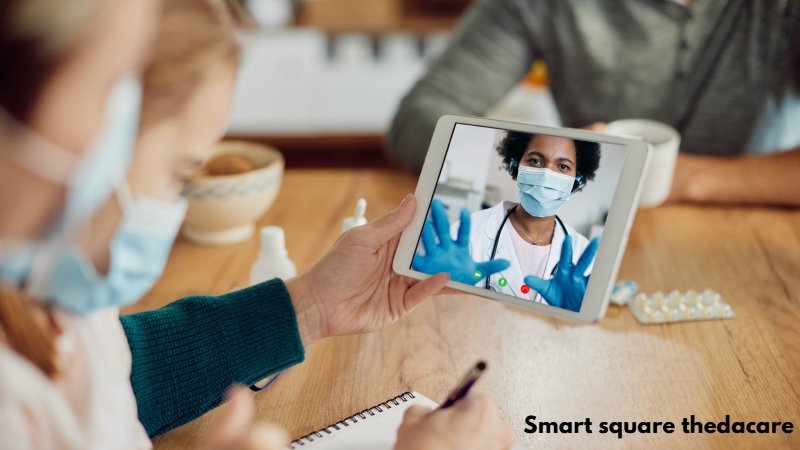
Telehealth provides a good example. It increases access to care, especially in remote areas. However, it can feel less personal than in-person visits. Leaders must guide teams in maintaining empathy during virtual interactions.
Another example is automation. Automated systems can handle routine tasks, which saves time. However, over-reliance on automation can reduce critical thinking. Therefore, leaders must encourage active engagement and awareness.
The goal is not to choose between technology and human care. It is to integrate both effectively. This approach creates a more complete and responsive healthcare system.
Building Skills for the Future of Nursing Leadership
Developing Digital Confidence and Communication Skills
Future nursing leaders need more than clinical expertise. They must feel comfortable using technology and explaining it to others.
Digital confidence allows leaders to adopt new tools without hesitation. It also helps them train and support their teams. Therefore, continuous learning becomes essential.
Communication remains equally important. Leaders must explain complex ideas in simple terms. This ensures that all team members understand and follow best practices. Clear communication also builds trust within the team.
There is also a need for adaptability. Technology evolves quickly, so leaders must stay open to change. This mindset helps them respond to new challenges effectively.
Creating a Culture of Learning and Innovation
Strong leaders do more than manage tasks. They create environments where learning and growth are encouraged.
In a digital healthcare system, this is especially important. New tools and processes require ongoing training. Leaders must support their teams through these changes.
Encouraging innovation also plays a key role. Team members often have valuable insights from daily experience. Leaders should create space for these ideas to be shared and tested.
This approach builds confidence and engagement within the team. It also leads to better solutions over time. Therefore, leadership becomes a shared effort rather than a top-down process.
Organizations that support learning tend to adapt faster. They respond to challenges with creativity instead of resistance. This creates a more resilient healthcare system overall.
Moving Toward a Connected and Compassionate Future
The future of nursing leadership is both exciting and demanding. Technology will continue to shape healthcare in new ways.
Leaders who embrace this change will have greater influence. They will guide teams, improve systems, and enhance patient care. Therefore, preparation becomes a key factor in success.
At the same time, the core values of nursing remain unchanged. Compassion, trust, and dedication still define the profession. Technology should support these values, not replace them.
The path forward involves balance. Leaders must combine technical skills with human understanding. This creates a healthcare system that is both efficient and caring.
As healthcare continues to evolve, nursing leaders will play a central role in shaping its future. Those who invest in learning, adapt to change, and stay connected to patient needs will lead the way.