
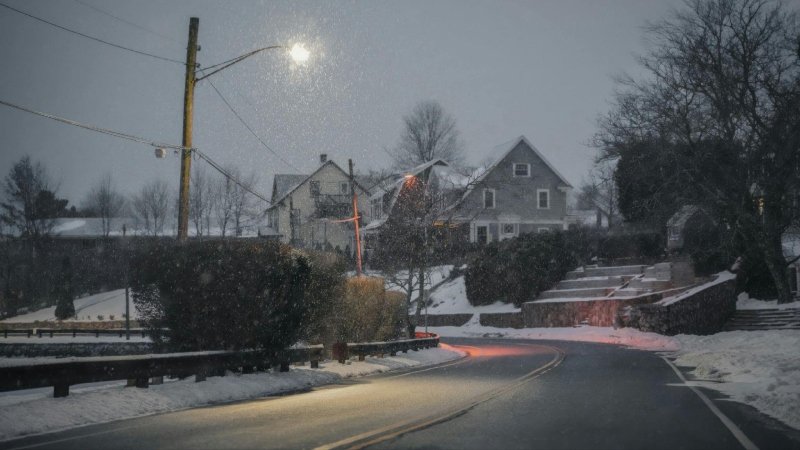
Winter always seems far away until one morning feels colder than expected. That first chilly day often reminds homeowners that cold weather does not wait. If you live in Berwyn, PA, you already know how quickly fall can turn into freezing mornings and long nights. Preparing your home before winter arrives helps you stay comfortable, avoid stress, and prevent costly problems. A little planning now can make a big difference once temperatures drop.
This guide walks you through simple and practical steps to get your home ready for winter.
Schedule A Heating System Check Early
One of the most important steps in winter preparation is checking your heating system before it is needed every day. Many homeowners wait until the heat stops working. That often leads to emergency calls and uncomfortable nights. Scheduling a heating check early helps catch problems while they are still easy to fix.
A professional inspection focuses on safety, airflow, and system performance. Technicians look for worn parts, weak connections, and signs of inefficiency. These small issues can grow worse during winter when the system works harder.
Working with a trusted heating contractor in Berwyn, PA, helps homeowners address potential issues before cold weather arrives. Local professionals understand the climate and the types of homes in the area. They know which systems face the most strain during cold months. That experience helps ensure your system stays reliable when you need it most.
Early maintenance also helps your heating system run more efficiently. An efficient system uses less energy and keeps your home evenly warm. This leads to lower utility bills and better comfort throughout the winter.
Replace Or Clean Air Filters
Air filters play a big role in how well your heating system works. Dirty filters block airflow and force the system to work harder. This can lead to higher energy use and uneven heating.
Before winter begins, check your filters and replace or clean them as needed. Most homes benefit from filter changes every one to three months. Homes with pets or allergies may need more frequent changes.
Clean filters help warm air move freely through your home. They also help keep indoor air cleaner during months when windows stay closed. This small step improves comfort and protects your heating equipment.
Seal Drafts Around Doors And Windows
Cold air often sneaks into homes through small gaps around doors and windows. These drafts make rooms feel chilly and cause heating systems to run longer.
Walk through your home on a cool day and feel for cold air near doors and windows. Common problem areas include old weather stripping, loose frames, and cracked caulking.
Simple fixes like sealing gaps and replacing worn weather stripping help keep warm air inside. This improves comfort and reduces heat loss. Sealing drafts also helps your heating system maintain a steady temperature without working overtime.
Inspect Your Thermostat Settings
Your thermostat controls how hard your heating system works. Before winter arrives, test your thermostat to make sure it responds properly.
Set the temperature a few degrees higher and listen for the system to start. Make sure the home warms evenly. If the temperature feels off, the thermostat may need adjustment or replacement.
Programmable or smart thermostats offer better control and savings. They allow you to lower the temperature when you sleep or leave the house. This reduces energy use without sacrificing comfort. Taking time to review settings now helps avoid confusion later.
Check Your Ductwork For Leaks
Ductwork carries warm air throughout your home. When ducts leak or separate, heated air escapes before reaching living spaces. This causes uneven heating and higher energy bills.
Inspect visible ducts in basements or utility areas. Look for loose connections, holes, or gaps. Listen for whistling sounds when the system runs. These signs often point to air leaks.
Sealing small gaps improves airflow and keeps warm air where it belongs. If heating feels uneven in different rooms, professional duct inspection may help. Proper airflow improves comfort and system performance.
Test Carbon Monoxide And Smoke Detectors
Winter increases the risk of carbon monoxide exposure due to heating equipment running more often. Smoke detectors also play a critical role during colder months when fireplaces and heaters are in use.
Test all detectors and replace batteries as needed. Make sure detectors work near bedrooms and on each level of the home. Press the test button and listen for the alarm.
If detectors are older, consider replacing them. Modern detectors offer better accuracy and reliability. Taking this step helps protect your family and brings peace of mind throughout winter.
Prepare Plumbing To Prevent Freezing
Cold temperatures can cause pipes to freeze, which often leads to cracks, leaks, and serious water damage. Preparing your plumbing before winter helps protect your home and avoid costly repairs later.
Start by insulating exposed pipes in unheated areas. Basements, garages, crawl spaces, and utility rooms are common trouble spots. Pipe insulation is affordable, easy to install, and helps keep water flowing during cold nights.
Disconnect outdoor hoses before the first freeze. Shut off exterior water valves if your home has them. Drain any remaining water from the lines to reduce pressure inside the pipes. Taking these steps lowers the risk of frozen pipes and unexpected leaks during winter.
Clean and Inspect Chimneys And Vents
Homes with fireplaces or gas appliances need proper venting to stay safe. Over time, debris and buildup can block airflow. This increases fire risk and reduces efficiency.
Schedule chimney cleaning if you use a fireplace. Clear vents allow smoke and gases to exit properly. This keeps indoor air safer and helps appliances work as intended.
Check that vents remain clear outside the home. Snow, leaves, and nests can block openings. Clear airflow supports safety and system performance.
Preparing your home for winter does not need to feel overwhelming. Taking simple steps before temperatures drop makes winter more comfortable and predictable. Planning ahead helps avoid emergencies, improves energy efficiency, and keeps your home safe. When cold weather arrives, you can relax knowing your home is ready to handle it.
Please visit my site, Outstandingblogs, for more details.