
Unexpected home repairs have a way of striking at the worst possible moment. From a leaking roof and burst pipes to electrical issues or foundation cracks, unforeseen problems can disrupt your daily life and lead to costly expenses if not addressed promptly. You can’t predict when these emergencies will happen, but you can control how ready you are to handle them.
By taking these preventive steps, homeowners can respond quickly to emergencies, protect their property’s value, and avoid turning small issues into major repairs. Continue reading to discover everything you need to know!
The True Cost of Emergency Home Repairs
Emergency repairs cost more than planned ones. When you’re forced to act immediately, you lose the luxury of comparing quotes or scheduling work during off-peak seasons. Here are some fees to look into:
- After-hours service fees
- Expedited shipping for parts
- Urgent call-outs
- Water damage restoration
- Mold remediation
- Temporary lodging
A failing water heater that might cost $1,200 to replace under normal circumstances could easily climb to $2,000 if you need it done on a holiday weekend. Recognizing these hidden financial multipliers is the first step toward taking preparation seriously.
Roof Leaks
A roof leak demands immediate action. Water intrusion can destroy insulation, drywall, and structural framing. The moment you spot a ceiling stain, dripping water, or bulging drywall, contain the interior damage. Place a bucket under the leak, and if water is pooling in a ceiling bulge, puncture a small hole with a screwdriver to release it in a controlled flow.
Move furniture and valuables out of the room and lay down towels. Limit exterior water entry by covering the affected area with a heavy-duty tarp secured with boards or sandbags. Never climb a wet, steep roof in a storm.
For homes in storm-prone regions, have a pre-existing relationship with a roofing company. If your home is in the Gulf Coast area, know who provides fast, dependable emergency roof repair in Houston that will help avoid extensive dry-out and mold remediation. Save a trusted emergency roof repair number before storm clouds gather, so when you need urgent help, you reach a real crew ready to respond.
Build a Dedicated Emergency Repair Fund
A dedicated home repair fund is your most powerful financial tool against unexpected breakdowns. Unlike a general emergency fund, this money exists solely for your home’s urgent needs. Set aside at least one to two percent of your home’s purchase price annually, and for a $300,000 home, that means $3,000 to $6,000 reserved just for repairs.
Start smaller if necessary, as even $500 can cover a service call and a temporary fix. Automate monthly transfers into a high-yield savings account separate from your primary checking, so the money is accessible but not too easy to tap for non-emergencies. Replenish the fund immediately after you use it.
The cushion transforms a sudden $4,000 roof repair from a credit card debt spiral into a manageable inconvenience. With the fund in place, you’ll make decisions based on what your home needs.
Know Your Home Insurance Policy Inside and Out
Homeowner’s insurance can be understood exactly what it covers before you file a claim. Policies vary widely. Standard forms may cover sudden and accidental water damage from a burst pipe, but exclude gradual leaks or flooding from heavy rains.
Roof damage might be covered for wind or hail. Read your policy’s declarations page, coverage limits, deductibles, and exclusions carefully. Pay special attention to the difference between replacement cost and actual cash value.
The latter deducts depreciation and can leave you with a much smaller payout for an aging roof. Keep your agent’s contact information handy, and store a digital copy of your policy in cloud storage. When an emergency hits, know whether to call your insurer first or pay out-of-pocket to avoid a premium hike.
Create a Home Maintenance Schedule
Many unexpected repairs result from neglected maintenance that quietly escalates into a crisis. A cracked caulk line around a tub eventually rots the subfloor. Clogged gutters overflow, damaging fascia boards and foundations. A failing anode rod in a water heater leads to a rusty tank rupture.
Break tasks into seasonal checklists. Inspect roof shingles, flush the water heater, and clean dryer vents. Use a digital calendar or a home maintenance app to send reminders.
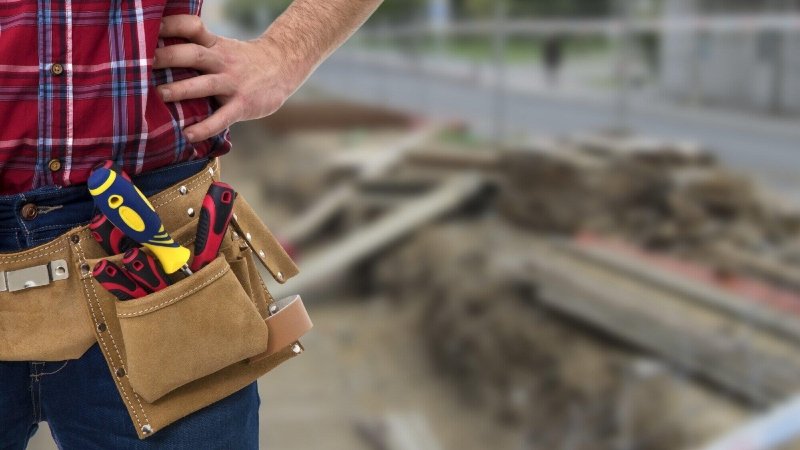
Assemble a Homeowner’s Emergency Toolkit
When a pipe springs a leak at midnight, the time it takes to find a wrench is the time your floor spends absorbing water. A well-stocked emergency toolkit puts immediate control back in your hands. Invest in a sturdy toolbox and fill it with essentials:
- Adjustable wrench
- Tongue-and-groove pliers
- Multi-bit screwdriver
- Utility knife
- Duct tape
- Electrical tape
- Cordless drill with assorted bits
- Hacksaw
- Pry bar
Store this kit in a known, easily accessible location and make sure every capable household member knows where it is. During an emergency, this toolkit becomes your first line of defense.
Locate Your Main Shut-Offs
Water, electricity, and gas are the lifeblood of your home. Every capable adult in your household should know exactly where the main water shut-off valve is and how to turn it. The valve might require a special key or a simple quarter-turn.
Test it twice a year to ensure it isn’t seized. Equally important is knowing how to shut off electricity at the main breaker panel. If your home uses natural gas, the gas meter should be shut off.
Keep any necessary tools tied near the shut-off points. Practice the motions so that when your hands are shaking and water is spraying, muscle memory takes over.
Plumbing Emergencies
Water damage from plumbing failures is among the most common and expensive home emergencies. Besides knowing your main shut-off, learn the locations of individual fixture shut-off valves under sinks and behind toilets. In a localized leak, turning off the nearest valve keeps water flowing to the rest of the house.
Keep a few high-quality stainless steel braided supply lines on hand. Old rubber or plastic lines are ticking time bombs. Insulate exposed pipes in attics, crawl spaces, and exterior walls to prevent freezing and bursts.
During extreme cold snaps, allow faucets to drip and open cabinet doors to circulate warm air. If a drain clogs badly enough to cause a backup, stop using water immediately and call a plumber. Quick action and basic knowledge can contain a plumbing problem to a mop-up instead of a floor replacement.
Electrical Failures
Electrical emergencies pose the added danger of fire and electrocution. If you smell burning plastic, see sparks from an outlet, or notice scorch marks on switch plates, turn off the breaker to that circuit immediately and call an electrician. Do not use water anywhere near an electrical spark.
For partial power loss, check whether the issue is isolated to your home or is affecting neighbors, then test your main breaker and individual circuits. Never override a repeatedly tripping breaker or a blown fuse with a higher-amperage substitute.
Keep battery-operated smoke detectors on every floor and test them monthly. A carbon monoxide detector can prove essential if you have gas appliances or an attached garage. Unplug sensitive electronics to avoid surge damage when power returns, and use generators only outdoors, far from windows, to prevent deadly carbon monoxide buildup.
HVAC Breakdowns
When heating or cooling fails during a heatwave or a deep freeze, your home can become dangerous within hours. To prepare, have your HVAC system professionally serviced before the peak season. Change filters monthly during heavy-use periods to prevent freeze-ups and blower motor strain.
Know how to check your thermostat batteries, circuit breakers, and the float switch on the condensate drain line. These simple fixes resolve a surprising number of no-cool or no-heat calls. If your system dies completely, enact your backup plan.
For winter, safely use an indoor-rated space heater in one room, seal off unused spaces, and dress in layers. For summer, close blinds on sun-facing windows, run ceiling fans counterclockwise, and hydrate. Have the number of an emergency HVAC technician on your list, and if your home becomes uninhabitable, know where your family can stay temporarily.
Appliance Failures
A washing machine that floods the laundry room or a refrigerator that quits in the middle of summer can feel catastrophic. Turn off the dedicated shut-off valve at the wall as your first move. Keep a washing machine drain pan with a leak alarm underneath the unit.
Check the manufacturer’s troubleshooting guides before calling for service. Many problems stem from clogged filters, overloaded circuits, or simple error codes. Know the typical lifespan of your major appliances.
A 15-year-old water heater leaking from the tank bottom is not worth repairing. A two-year-old dishwasher with a door seal leak, however, is a cost-effective fix. Keeping model and serial numbers in your home documentation, along with appliance purchase dates, helps you make fast decisions.
How to Perform a DIY Temporary Fix Safely
Between the moment a crisis occurs and the time a professional arrives, a safe temporary fix can halt ongoing damage. The golden rule: never take risks with your physical safety. Wear protective gear, use a sturdy ladder with a spotter, and shut down utilities before touching anything.
If you are dealing with a leaking pipe, use epoxy putty or a pipe clamp. A broken window will need to be covered with heavy plastic and strong tape. These measures buy you hours or days until a pro makes the correct repair.
Take photos of your temporary fix and the damage for your insurance adjuster before you alter the scene. Mark any hazardous areas with caution tape and keep children and pets away. The goal is to stabilize, not to solve, and to ensure no one gets hurt while you wait for expert help.
When to Call a Professional vs. Tackling It Yourself
A confident DIYer might replace a faucet washer. Pulling a new electrical circuit, repairing gas lines, or doing extensive roof work demands licensed professionals. Mistakes in these areas can create fire hazards, void insurance, and even cause injury or death.
Evaluate each emergency honestly: Do you have the tools, knowledge, and physical ability to complete the repair safely and correctly? If the answer wavers, call an expert.
The fees you pay a professional often come with warranties and the assurance that the job meets code. Reserve your DIY energy for preventative maintenance and minor fixes, and leave the high-stakes emergencies to those who handle them every day.
Review and Update Your Preparedness Plan Annually
A preparedness plan is a living document. Once a year, perhaps when you change your clocks or at a set time like New Year’s, walk through your entire preparedness checklist. Test shut-off valves and smoke detectors.
Replace batteries and expired fire extinguishers. Review your insurance policy for any coverage changes. Update your contractor list: businesses close, and new ones emerge.
Refresh your emergency fund if it’s been depleted. Walk your property with a critical eye for new tree limbs, siding cracks, or gutter problems.
Revisit your home inventory with new photos if you’ve renovated or purchased expensive items. The annual tune-up keeps your readiness high and prevents the complacency that allows small oversights to grow into catastrophic failures.
Staying Calm
When a home emergency strikes, the body’s stress response can cloud judgment. You might fixate on a minor detail while missing the primary threat, or you might rush a decision you later regret. Imagine a pipe bursting, a roof leaking, or the power going out, and visualize yourself calmly walking through the steps you’ve prepared.
Deep, slow breathing can lower your heart rate and improve decision-making in the moment. Remind yourself that you have a fund, you have a list, you have a plan. Your home is a system that can be fixed, and you are equipped to start the process.
After the immediate crisis passes, debrief with your family: what worked, what didn’t, and how you can improve. These moments build resilience and confidence, transforming a terrifying situation into proof that you can handle the unexpected.
Be Ready Before the Unexpected Happens
Unexpected home repairs don’t have to spiral into disasters that drain your savings and your emotional reserves. Build your fund, learn your home’s vital systems, maintain what you can, and line up trusted professionals you can call in the darkest hours.
Start today by reviewing your insurance policy, updating your emergency contacts, and assembling a simple toolkit. Every small step you take now is a massive favor to your future self, turning a potential crisis into just another problem you’re ready to solve.
Check out the rest of our site for more!