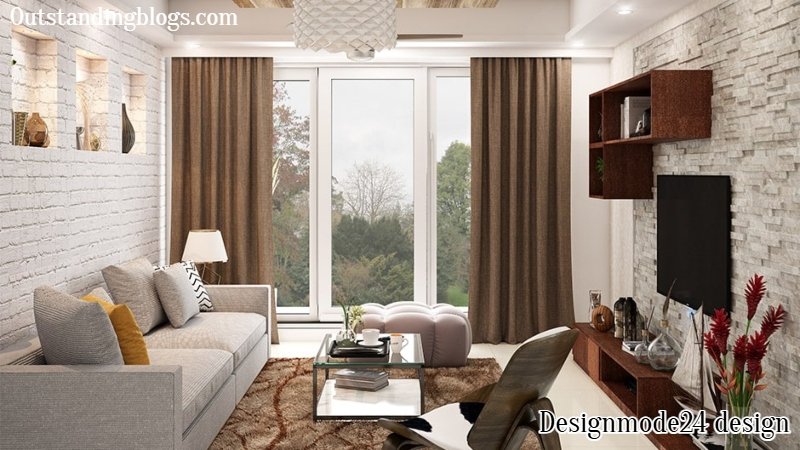
Have you ever looked around your home and thought, “Was this place designed for someone else’s life?” You’re not alone. Whether it’s a kitchen that suddenly feels too cramped, stairs that look more like hazards than pathways, or a bathtub you now avoid like it’s a trap, homes often lag behind our lives. But they don’t have to. With a bit of planning and some clever upgrades, home improvements can be a long-term ally in a world that doesn’t like to sit still.
Homes That Grow With You
One thing’s certain: life never stays the same for long. Today’s bustling family hub might be tomorrow’s quiet downsized nest. Remote work, aging in place, growing families, eco-conscious living—these aren’t fringe cases. They’re the new normal. According to a recent Harvard Joint Center for Housing Studies report, homeowners are increasingly investing in upgrades that offer flexibility over time, not just quick fixes.
Think open-plan layouts that can easily become closed-off work zones. Or storage systems that shift from toy bins to tech organizers. These aren’t just aesthetic choices—they’re strategic ones. The smartest homes are those built to bend, not break, with life’s unpredictability.
Accessibility Isn’t Optional Anymore
Aging populations and multi-generational households are reshaping what “accessible” means. Baby Boomers, now retiring en masse, are choosing to age in place rather than move into senior communities. That has turned features like widened doorways, lever-style doorknobs, and step-free entryways from “nice to have” into “why don’t we already have that?”
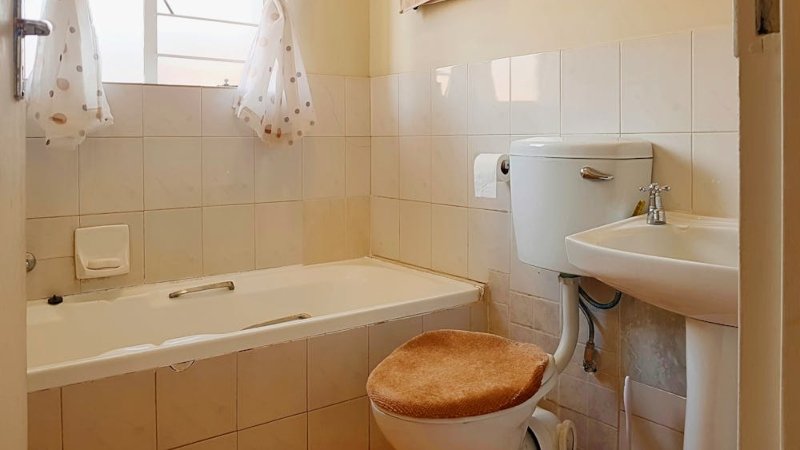
One improvement that’s meeting this shift head-on is the bathroom. It’s a common danger zone—hard surfaces, slick floors, and a tub that feels more like an obstacle course. Enter Quick Tub’s walk-in tub conversion kit, a product that’s making it dramatically easier and more affordable to adapt existing bathrooms for safer use. Instead of ripping out your entire bathtub and installing a new walk-in model, the kit modifies what you already have. It’s the kind of innovation that respects both your budget and your back. Especially for caregivers or aging homeowners, this simple upgrade can mean the difference between staying home and needing assisted living. And let’s be honest—no one dreams of spending their golden years in a facility named after a bird or a tree.
Working From Home Without Working From the Couch
Remote work used to be a perk. Now, for many, it’s permanent. But our homes weren’t exactly designed with Zoom calls and 3 PM brainstorms in mind. The kitchen counter may have gotten us through 2020, but ergonomics and sanity demand better solutions.
Adaptable home offices are gaining popularity, especially ones that pull double duty. Think Murphy beds that flip into desks, or bookshelves that conceal fold-out workstations. Soundproofing small rooms or even adding garden offices (yes, sheds got a glow-up) are rising trends too. With companies adopting hybrid policies or ditching office leases entirely, these renovations are more than luxuries; they’re productivity tools.
The Kids Aren’t Just Alright, They’re Everywhere
Open-concept floor plans looked great in theory, until every room became a shared playroom/classroom/napping area. Parents now see the value in zones—distinct spaces that offer a sense of boundary even when square footage is limited.
Sliding partitions, modular furniture, and designated tech-free corners help restore a bit of order. Repurposing garages or attics as kid zones or quiet study areas also takes pressure off main living spaces. And let’s not forget about storage. A toy avalanche isn’t just a hazard—it’s a daily emotional crisis waiting to happen.
Climate Is the Boss Now
Climate change isn’t a future threat anymore—it’s a present threat. Homeowners are adjusting not just to rising energy costs but to the rising water table and temperatures, too. Solar panels, cool roofs, and smart thermostats have moved from eco-niche to mainstream, and federal incentives are giving homeowners a nudge.
But it’s not just about gadgets. More people are installing backup battery systems, rainwater harvesting tanks, or even turning front yards into micro-forests. The idea is to make homes more self-sustaining and resilient. A home that can outlast a blackout or a heatwave isn’t just eco-smart—it’s peace of mind.
When Roommates Are Family Again
In an ironic twist, the dream of moving out at 18 and never looking back is being replaced with a more communal ideal. Economic pressure, aging parents, and shifting cultural norms are fueling a rise in multi-generational homes. This isn’t a return to the past so much as a pivot toward interdependence.
To make that work, homes need layers of privacy. Basement suites with separate entrances, detached accessory dwelling units (ADUs), or split-level floor plans can create a balance of togetherness and independence. It’s not about cramming more people in—it’s about making space smarter, not just bigger.
Tech That Actually Helps, Not Just Blinks
Smart home tech has come a long way from clunky remotes and app overload. The best improvements today integrate seamlessly into daily life. Voice-controlled lighting helps people with limited mobility. Smart sensors can detect water leaks before they become disasters. And video doorbells? They’re practically standard in neighborhoods where packages vanish faster than ice cream in July.
Still, not all tech is created equal. The key is choosing upgrades that solve real problems—not just create another gadget to update every six months. Automation for security, energy savings, or even caregiving (think fall detection or medication reminders) brings long-term value that goes beyond the wow factor.
Redesigning for Emotional Comfort
Home isn’t just where you live—it’s where you recover, reflect, and recharge. And if recent years have taught us anything, it’s that mental health matters just as much as structural integrity. Design choices that promote emotional comfort are stepping into the spotlight.
That means more than painting your walls millennial beige. It’s about creating spaces for calm: meditation corners, reading nooks, or spa-like bathrooms. Natural light, indoor plants, and sound-absorbing materials can subtly improve daily well-being. Even something as small as installing dimmable lighting or reducing clutter can shift a home from chaotic to calming.
The story of home improvement is no longer just about aesthetics or resale value. It’s about resilience, flexibility, and designing a space that doesn’t just serve who you are today—but who you might become tomorrow. The world changes fast. Your house can too. Please visit my site, Outstandingblogs, for more details.