
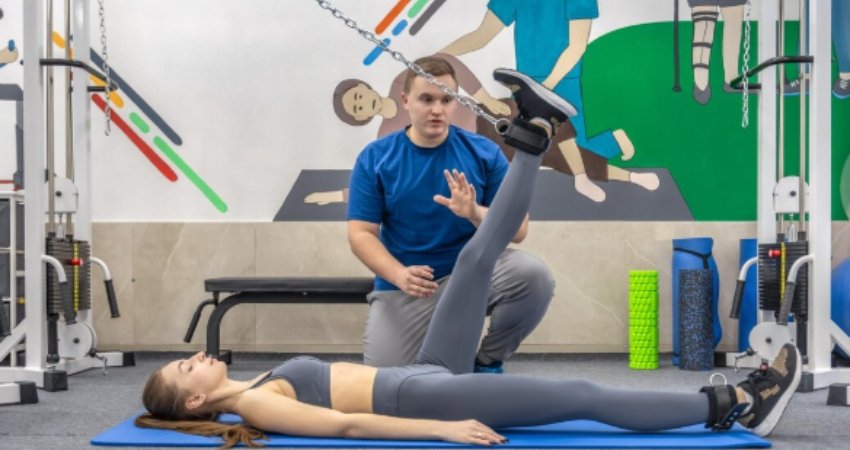
Recovery from injury or physical strain used to follow a fairly predictable path: rest, basic exercises, and gradual return to activity. While that approach still has value, modern rehabilitation has evolved significantly. Today, physical therapy is more personalized, data-informed, and closely tied to how people actually move in their everyday lives.
This shift is helping patients recover faster, avoid re-injury, and regain confidence in their bodies. It’s also changing how professionals think about healing—not as a one-size-fits-all process, but as something dynamic that adapts to each individual.
Smarter recovery starts with better assessment
One of the biggest improvements in modern rehabilitation is how carefully the initial assessment is done. Instead of simply identifying “what hurts,” therapists now focus on why it hurts and how the entire body is involved.
For example, someone recovering from knee pain might not actually have a knee problem at all. The root cause could be weak hip muscles, poor ankle mobility, or even posture habits developed over years of sitting at a desk. A good assessment looks at movement patterns, lifestyle habits, and even work environments.
Take an office worker who develops shoulder pain. Traditional treatment might focus only on stretching the shoulder. But a more detailed evaluation could reveal that their workstation setup forces them to hunch forward all day, placing constant strain on the upper back and neck. Fixing the chair height or screen position might be just as important as the exercises themselves.
This broader perspective helps therapists design recovery plans that actually solve the underlying issue rather than just treating symptoms. It’s a shift from reactive care to proactive problem-solving.
Blending movement science with real-life needs
Modern rehabilitation is also becoming more practical. Instead of focusing solely on isolated exercises, therapists now try to mimic real-life movement as closely as possible.
Think about someone recovering from an ankle sprain. In the past, they might have been given basic resistance band exercises. Today, they’re more likely to practice balance drills that simulate walking on uneven ground, stepping onto curbs, or even carrying groceries while stabilizing their body.
This approach is especially important because most injuries don’t happen in controlled environments—they happen during everyday activities. A parent lifting a child, a warehouse worker moving boxes, or a runner changing direction quickly all need coordinated, real-world strength and control.
Athletes are a clear example of this evolution. A basketball player recovering from a ligament injury doesn’t just rebuild strength in isolation. Their rehab includes jumping, pivoting, and landing drills that replicate game conditions. This helps reduce the risk of re-injury when they return to competition.
Even outside sports, industries like construction and healthcare are benefiting. Workers are trained using movement-based rehab strategies that prepare them for physically demanding tasks, improving both safety and performance.
Where modern rehab is making the biggest difference
The improvements in rehabilitation are not limited to sports medicine. They’re showing up in everyday life across different age groups and professions.
Older adults, for example, are benefiting from more functional training that helps them stay independent longer. Instead of only focusing on strength, therapy might include balance work for preventing falls, stair-climbing practice, or walking endurance exercises. These are simple activities, but they directly impact quality of life.
In post-surgery recovery—such as after joint replacements—rehabilitation is now more structured and progressive. Patients are guided through carefully timed stages, starting with gentle movement and gradually building toward full activity. This reduces complications and often shortens recovery time.
Even mental health is indirectly supported through better physical recovery. People recovering from chronic pain or long-term injuries often experience frustration or anxiety. Seeing measurable progress through guided movement helps rebuild confidence and reduces fear of movement, which is a major barrier in recovery.
Technology is also playing a role. Motion tracking tools, wearable sensors, and video analysis help therapists understand movement more precisely. This allows for small adjustments that can make a big difference over time. For instance, a slight imbalance in walking pattern might be corrected before it leads to another injury months later.
What this means for everyday recovery journeys
All of these advancements come together in a more personalized and effective approach to rehabilitation. Recovery is no longer just about healing tissue—it’s about restoring full function in a way that fits a person’s real life.
This is where approaches like enhanced physio come into play. Rather than relying on a fixed set of exercises, it emphasizes adaptability, real-world movement, and continuous feedback. The focus is not just on getting pain-free, but on helping people move better, feel stronger, and return to the activities that matter most to them.
For example, a delivery driver recovering from back strain doesn’t just need a stronger core—they need to safely lift, twist, and carry packages throughout a long workday. A student recovering from a sports injury doesn’t just need rehabilitation in a clinic—they need to confidently return to running, jumping, and playing with friends without hesitation.
What makes this approach powerful is its practicality. It connects therapy directly to daily life instead of treating recovery as something separate from it. That connection helps people stay consistent, motivated, and more aware of how their bodies work.
A more human approach to healing
At its core, modern rehabilitation is becoming more human-centered. It recognizes that no two injuries are exactly the same, and no two people live the same kind of life. A desk worker, a construction worker, and a professional athlete may all experience back pain, but their recovery paths should look very different.
The goal is not just to fix what’s broken, but to understand how and why it broke in the first place—and how to prevent it from happening again.
As this field continues to evolve, recovery is becoming less about limitations and more about possibilities. People are not just returning to where they were before injury; in many cases, they’re coming back stronger, more aware, and better equipped to take care of their bodies long-term.
That shift is quietly reshaping how we think about health, movement, and resilience in everyday life.

