
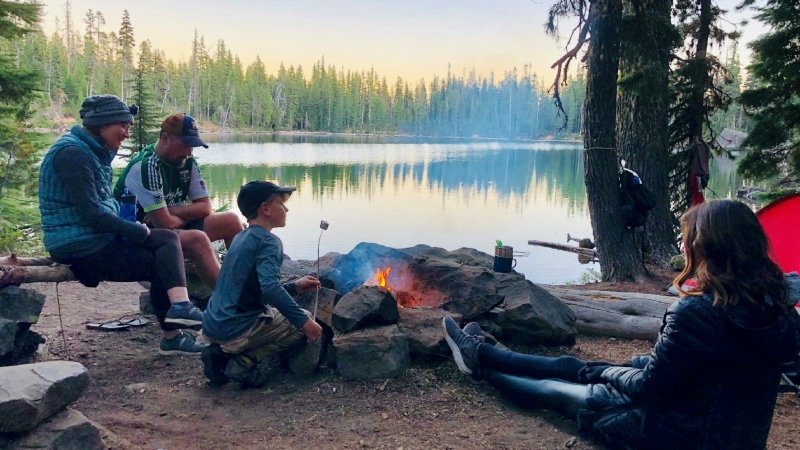
A camping trip with kids requires more than packing a few bags and heading into the woods. Careful preparation shapes the entire experience. Parents need to think about location, gear, comfort, safety, and how their children respond to new surroundings. Realistic expectations prevent disappointment. Younger kids may struggle with disrupted routines or unfamiliar nighttime sounds. Older children may want independence while still needing guidance.
Clear communication before the trip helps everyone feel prepared. Talk through what camping looks like, where you will sleep, and what activities to expect. Choose a campsite that matches your family’s comfort level. Prepare for weather changes and pack with intention. Thoughtful planning combined with flexibility creates space for genuine fun instead of unnecessary stress.
Picking the Right Campsite
The campsite you choose influences everything that follows. A well-equipped, family-friendly location makes the transition into outdoor living smoother. Campgrounds with restrooms, water access, and clearly marked trails often work best for families with younger children. Easy parking nearby simplifies unloading and quick adjustments.
Terrain deserves attention. Flat ground allows for safer play and easier tent setup. Shade becomes valuable during hot afternoons. Access to calm water or short hiking trails keeps activities manageable and enjoyable. Travel distance also affects the mood of the trip. Shorter drives reduce fatigue and allow kids to arrive with energy to spare.
Choosing Gear That Makes Life Easier
Reliable gear reduces frustration and increases comfort. Tents, sleeping bags, and cooking equipment should be sturdy and straightforward to use. Complex setups create tension when children grow impatient. A practice run at home helps you avoid confusion on arrival.
Shelter stands at the center of comfort. For instance, Wall Tent Shop provides premium canvas wall tents, camping gear, and accessories crafted for durability, weather resistance, and long-lasting outdoor performance. High-quality materials support stability in changing conditions. Strong, dependable equipment allows parents to focus on their children instead of worrying about structural issues. Sleeping arrangements deserve thoughtful attention. Familiar pillows or blankets from home can help children settle down faster. Comfortable sleeping pads support better rest, which keeps mornings calmer and more enjoyable.
Creating Simple Routines Kids Can Count On
Structure brings comfort, especially in an unfamiliar environment. Camping naturally shifts daily rhythms, yet a few consistent routines help children feel secure. Regular mealtimes, a familiar bedtime ritual, and designated quiet periods provide stability without limiting adventure.
Morning habits can remain simple. A shared breakfast, a quick cleanup, and a short conversation about the day’s plan set clear expectations. Kids respond well when they know what comes next. Predictability reduces unnecessary tension and prevents repeated questions about timing. Evening routines matter just as much.
Packing Smart for Comfort and Convenience
Strategic packing prevents chaos at the campsite. Focus on essential items and avoid overloading your vehicle. Layered clothing works well because temperatures shift throughout the day. Rain jackets, sturdy shoes, extra socks, and hats deserve a place on the checklist.
Organization saves time and energy. Create categories for cooking supplies, clothing, hygiene items, and safety gear. Use labeled bins or packing cubes so everything has a clear spot. Quick access to snacks, wipes, and first aid supplies can ease minor problems before they escalate. Children benefit from having their own small bag. A flashlight, a reusable water bottle, and a favorite comfort item help them feel prepared.
Setting Up Camp Together
The first moments at the campsite often bring excitement and curiosity. Direct that energy toward teamwork. Give children age-appropriate tasks so they feel included. Younger kids can help gather small branches or unroll sleeping bags. Older children can assist with tent poles or organize camp chairs.
Start with a shelter to create a secure base. Once the tent stands firmly, arrange the sleeping area and establish a simple cooking zone. Clear routines about where to store shoes or place trash support order without restricting freedom. Shared effort strengthens the experience. Participation in building the campsite gives children a sense of ownership. A cooperative setup creates a calm, positive rhythm that carries through the rest of the trip.
Keeping Kids Safe in the Great Outdoors
Safety begins with awareness and simple ground rules. Children should understand the boundaries of the campsite as soon as they arrive. Show them clear landmarks and agree on how far they can wander. Bright clothing makes it easier to spot them from a distance.
Hydration deserves constant attention. Outdoor play and warm weather can lead to dehydration faster than expected. Encourage regular water breaks and keep bottles within reach. Sunscreen, hats, and lightweight long sleeves protect sensitive skin during extended exposure. Wildlife conversations should feel calm and informative.
Fun Activities That Build Memories
Memorable camping trips grow from shared experiences. Nature offers endless opportunities for hands-on learning and play. A scavenger hunt encourages kids to observe their surroundings closely. Create a short list of natural items such as smooth stones, pinecones, or specific leaf shapes.
Storytelling around the campfire brings everyone together at the end of the day. Invite children to invent their own tales or share favorite family stories. Stargazing creates a quiet moment of wonder. Point out constellations or simply lie back and watch for shooting stars. Outdoor skills add purpose to playtime. Teach older kids how to read a simple trail map or tie a basic knot. Allow unstructured time as well.
Handling Challenges Without Losing Your Cool
Even well-planned trips can bring unexpected obstacles. Sudden rain, restless children, or missed naps may test your patience. A flexible mindset makes it easier to adapt. Adjust the schedule rather than forcing plans that no longer fit the moment.
Snacks and short breaks can reset moods quickly. Hungry or overtired kids struggle to regulate emotions. Quiet time inside the tent with a book or audiobook may restore balance after an active afternoon. Open conversations also help. Ask your children how they feel and listen carefully. Validation goes a long way toward calming frustration.
A successful camping trip with kids depends on preparation, teamwork, and a willingness to adapt. Thoughtful campsite selection, reliable gear, smart packing, and shared responsibilities create a stable foundation. Clear safety guidelines and engaging activities strengthen the experience.
Family camping does not require perfection. Moments of discomfort often turn into stories you laugh about later. Focus on connection rather than control. Fresh air, shared meals, and simple adventures offer space for meaningful memories that last far beyond the weekend.

