
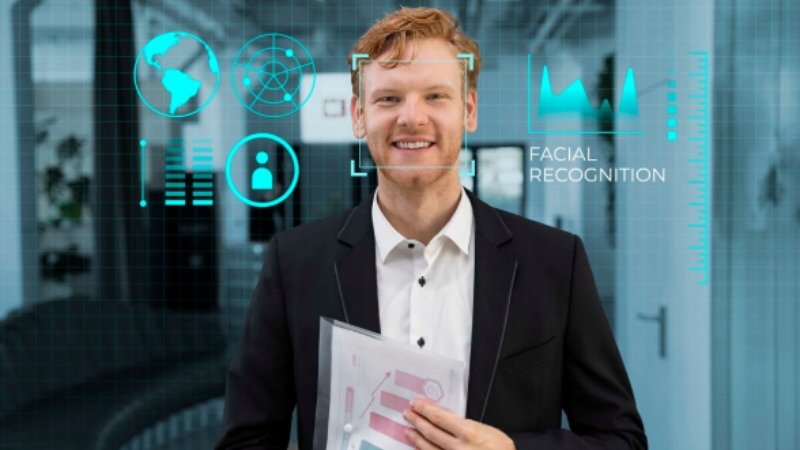
The recruitment industry is experiencing a foundational transformation as artificial intelligence (AI) becomes more ingrained in hiring processes worldwide. As companies seek to optimize their strategies and identify top talent faster, understanding emerging AI-driven recruitment trends is more vital than ever. For those eager to stay ahead in a competitive landscape, exploring credible resources like the AI in Hiring Report provides vital insight into the direction of recruitment.
The practical integration of AI does not mean removing the human touch from recruiting. Rather, it signifies a closer alignment of efficiency and personalization across every stage of the talent acquisition journey. By harnessing automated intelligence alongside people skills, organizations are redefining what it means to attract and retain high-performing professionals in the digital era.
AI as a Decision-Support Tool
The role of AI in recruitment has shifted rapidly from basic automation to a comprehensive decision-support system. Today’s advanced algorithms process enormous datasets, using machine learning to match candidates to roles based on complex patterns such as skills, cultural fit, and future potential. Recruiters gain tailored recommendations, predictive insights regarding candidate performance, and interview support through AI-powered platforms. This analytical approach empowers recruiters to invest more time in creative and high-impact areas, driving both precision and meaningful connections throughout the hiring process.
Surge in Demand for AI-Skilled Talent
The adoption of AI tools has sparked an ever-growing demand for AI-skilled professionals. Specialized roles in machine learning, AI engineering, and data analytics are among the most sought-after positions globally. According to recent coverage by McKinsey & Company, companies across industries are urgently seeking individuals who can develop, deploy, and interpret AI systems, underlining the premium placed on digital fluency and innovation.
Shift Towards Skills-Based Hiring
The trend of prioritizing demonstrated skill sets over formal degrees has gained significant traction, especially in tech-driven industries. Companies now focus on hiring based on practical assessments, coding challenges, and digital portfolios, aiming to ensure candidates can directly contribute to workplace needs. This approach supports diversity, drives productivity, and aligns talent strategies more closely with rapidly evolving market demands.
Emphasis on AI Ethics and Governance
As AI becomes a central fixture in recruitment, issues of bias, fairness, and accountability are taking center stage. Organizations now invest in dedicated AI governance teams to regularly audit algorithms, implement transparent practices, and adhere to data protection regulations. The commitment to ethical AI use not only preserves candidate trust but also mitigates legal risks amid increasing regulatory scrutiny worldwide. Detailed guidance from sources like Forbes Coaches Council underscores why ethics and compliance must not be sidelined in pursuit of efficiency.
Enhanced Recruiter Efficiency and Candidate Experience
AI tools are accelerating applicant tracking, screening, and communication, leading to a more streamlined workflow for recruiters. However, a successful deployment means more than just speed; it requires a balance between automation and meaningful touchpoints for candidates. Personalized updates, timely feedback, and opportunities for candidates to ask questions through chatbots or virtual assistants help ensure every individual feels valued. Organizations that master this balance achieve higher acceptance rates and long-term employee retention.
Proactive and Strategic Talent Acquisition
Predictive analytics, powered by AI, are enabling a transition from passive, reactive recruitment to proactive talent planning. Organizations can forecast workforce needs using turnover data, project pipelines, and emerging skill gaps, enabling recruitment professionals to engage promising candidates before positions open. This strategic approach places companies at the forefront of talent competition, ensuring critical roles are filled quickly and efficiently.
Hyper-Personalization in Recruitment
With AI, recruitment is evolving toward a highly individualized experience. Tools can now deliver customized job recommendations based on candidates’ unique preferences and career histories. Communication is also tailored, with content and timing aligned to each candidate’s engagement patterns. This hyper-personalization enhances candidate satisfaction and increases conversion rates, as job seekers feel uniquely understood by potential employers.
Continuous Learning and Upskilling
The rapid pace of AI technology evolution necessitates a culture of lifelong learning. Progressive organizations encourage ongoing skill development. Both recruiters and candidates take part. As a result, everyone stays relevant in a changing job landscape. Training initiatives in digital literacy, data analysis, and ethical AI management are becoming standard, helping companies build agile teams ready to embrace tomorrow’s opportunities.
AI is fast becoming the cornerstone of modern recruitment strategies. Organizations that stay agile and ethical perform better. They also invest in upskilling. As a result, they can use these trends for long-term success in a changing talent market.

