
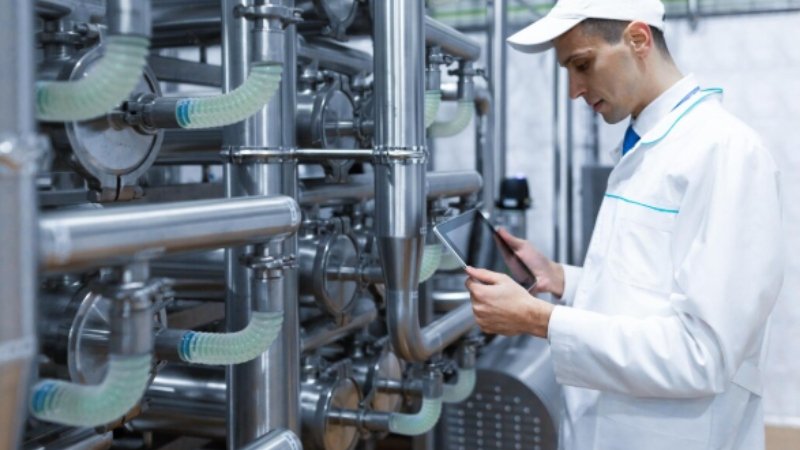
The Importance of Pump Efficiency in Industrial Settings
Pumps serve as a critical component in a wide range of industrial activities, from water treatment processes to high-demand manufacturing operations. Despite their essential role, many industrial pumps operate at suboptimal efficiency, resulting in increased energy use, higher costs, and increased equipment wear. Recent studies show that two-thirds of pumps in industrial environments are operating outside their recommended parameters, leading to significant energy waste and untapped savings potential. To address this, industries are turning to modern monitoring solutions that not only boost efficiency but also extend the life of valuable assets. To learn more about advanced pump technologies, visit our resource page.
Organizations that invest in monitoring solutions can expect significant improvements in pump operating conditions, leading to reduced inefficiencies and substantial long-term cost savings. By integrating monitoring and analytics into operations, businesses can proactively detect anomalies, carry out predictive maintenance, and minimize reactive repairs. This proactive approach not only enhances reliability but also allows for more effective resource allocation and supports sustainability efforts. Reliable pump performance is crucial for upstream and downstream processes, significantly influencing safety, product quality, and regulatory compliance. By addressing inefficiencies early, organizations can reduce the risk of major breakdowns and production delays, thereby protecting profitability and aligning with global energy efficiency standards.
Key Takeaways:
- Implementing advanced pump monitoring can lead to significant energy savings and operational efficiency.
- Technologies like AI and IoT enable predictive maintenance, reducing downtime and maintenance costs.
- Real-time data collection and analysis help optimize pump performance and extend equipment lifespan.
Advancements in Pump Monitoring Technologies
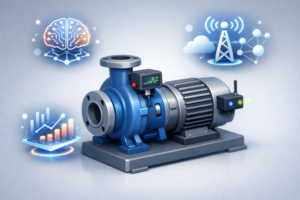
Digital transformation enabled by Artificial Intelligence (AI) and the Internet of Things (IoT) has ushered in a new era in pump management. IoT sensors installed directly on pumps continuously collect data on flow rates, pressure, vibration, and temperature. AI-powered analytics platforms then process this data, comparing current performance with expected baselines to flag subtle deviations that may precede larger failures.
Predictive maintenance, enabled by these technologies, shifts maintenance from reactive to proactive. Teams no longer have to wait until something breaks; they can predict failures and address wear before it escalates into a costly outage. According to experts in industrial automation, this approach is reshaping operational strategies by delivering actionable insights that keep facilities running at peak performance and efficiency.
Benefits of Real-Time Pump Monitoring
- Early Fault Detection: Sensors and AI algorithms detect problems before they escalate, preventing sudden failures and reducing emergency repairs.
- Reduced Downtime: By scheduling maintenance around real-time diagnostics, operators minimize interruptions to production schedules.
- Cost Efficiency: Optimized maintenance intervals reduce unnecessary labor while maximizing equipment availability, saving on operational budgets over time.
- Enhanced Safety: Accurate data ensures pumps remain within safe operating ranges, reducing the risk of accidents that could affect employees and products alike.
Case Studies: Success Stories in Pump Monitoring
Several industries demonstrate the transformative impact of advanced pump monitoring. For example, a major mining site implemented real-time performance tracking across its crucial pump fleet. The platform flagged unexpected pressure surges and abnormal vibration patterns as soon as they occurred. With immediate data access, engineers could adjust system parameters and eliminate potential failure points, preventing both costly downtime and damage to adjacent processes. These savings are echoed in a wide range of sectors, from pharmaceuticals to utilities.
Implementing Efficient Pump Monitoring in Your Operations
Deploying an advanced pump monitoring program involves strategic planning. Start by assessing current pump systems, including performance records and inefficiencies, to identify assets needing real-time monitoring. Choose suitable monitoring technologies based on pump types, network compatibility, and integration capabilities. Train personnel to effectively interpret live data and performance trends. Establish maintenance protocols using condition-based strategies, focusing on service only when data indicates a need, thereby enhancing reliability and minimizing unnecessary interventions.
Challenges and Considerations
There are several barriers to the adoption of successful pump monitoring. Upfront investment costs can be significant, particularly when updating old infrastructure or deploying sensors to hard-to-reach locations. Data management also poses challenges as large volumes of information must be stored, processed, and used securely. Integration with legacy systems may require custom solutions and time. A thorough cost-benefit analysis helps justify initial expenditures by highlighting long-term operational and energy savings.
The Future of Pump Monitoring
The next wave of pump monitoring will be driven by further advancements in AI and machine learning, enabling increasingly precise fault prediction and deeper operational insights. Integration with plant-wide energy management systems will enable holistic optimization by tying together pumps, motors, and supporting equipment. Companies committed to innovation will see sustained gains in efficiency, reliability, and sustainability, outpacing competitors in the digital transformation of industry.
Ultimately, investing in efficient pump monitoring is a strategic move that pays dividends in decreased downtime, lower maintenance costs, and extended equipment life. As more organizations embrace advanced technologies, they contribute not only to their own bottom line but also to broader goals of energy conservation and environmental responsibility.
Conclusion
Improving pump efficiency is essential for operational stability and cost control in today’s industrial landscape. Many pumps operate inefficiently, presenting opportunities to reduce energy waste and extend equipment lifespan. Utilizing IoT sensors and AI analytics enables a shift from reactive to predictive maintenance, minimizing downtime and enhancing reliability. Despite challenges like upfront costs and data management, the benefits, including reduced repair costs and improved safety, are substantial. Early adoption of monitoring technologies positions companies for greater efficiency and sustainability in an energy-conscious environment.