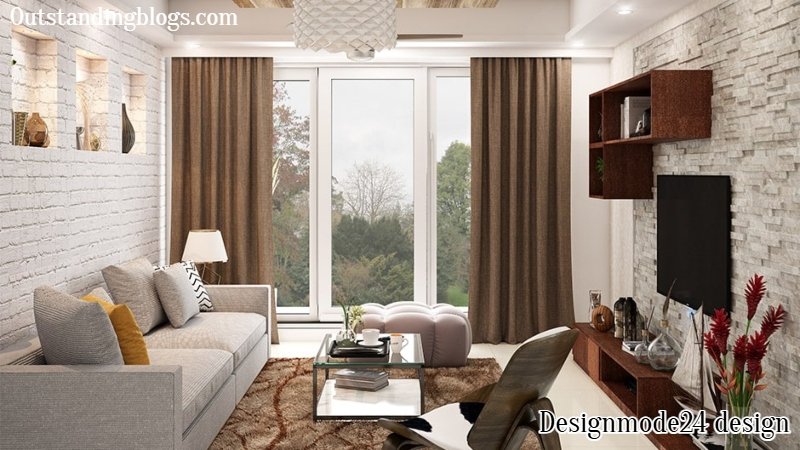
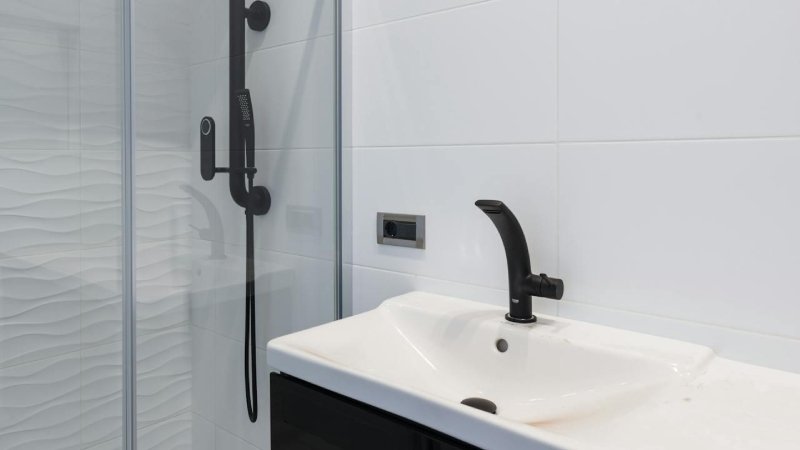
How much is too much when it comes to comfort at home? Most people don’t think twice about a perfectly chilled living room or the warm shower that never runs out. But beneath all that convenience, there’s a silent price tag. And no, it’s not just your energy bill.
In an age where people obsess over smart thermostats and luxury tile, the conversation about home comfort is getting more layered. It’s not just about what feels good now. It’s about what holds up, what pays off later, and what ends up draining your time, money, or even health without you realizing.
In this blog, we will share what modern homeowners are discovering about long-term comfort, where the hidden costs sneak in, and how to invest wisely without sacrificing peace of mind.
The Myth of Effortless Living
For years, home ownership has been marketed like a spa retreat. Move in, light a candle, turn up the AC, and watch your investment grow. But comfort doesn’t maintain itself. It requires upkeep, planning, and a little foresight. The truly livable homes aren’t the ones filled with trendy upgrades. They’re the ones who quietly keep working behind the scenes.
Take hot water, for instance. Most homeowners never think about it until it’s gone. A lukewarm shower or a sputtering faucet is often the first sign that something’s wrong. But the problem didn’t start that morning. It started with a lack of planning.
This is where smart choices matter. Many homeowners are discovering tankless water heater benefits that go beyond the energy savings. These systems not only last longer than traditional models, but also eliminate the wait time and wasted space. For homes that juggle multiple showers, dishwashers, and laundry loads, it’s a shift that pays off in both performance and peace of mind.
Comfort isn’t about excess. It’s about a function that adapts to your lifestyle. What used to be “extras” are now baseline expectations. And the gap between outdated systems and real convenience is getting wider every year.
Shortcuts That Come Back to Haunt You
There’s a difference between a quick fix and a sustainable solution. Unfortunately, plenty of homes are built or renovated with short-term logic. Cheap insulation, poorly sealed windows, and bargain appliances may check the box in the moment, but they rarely hold up.
For example, homeowners often overlook airflow. It sounds boring until a room feels stuffy in winter or impossible to cool in summer. Poor airflow puts pressure on heating and cooling systems, shortens their lifespan, and eats away at energy efficiency. And yet, many people only address it after the utility bills spike.
The smarter route is preventative. Investing in proper ductwork, regularly servicing HVAC systems, and rethinking airflow from the start leads to savings that compound year after year.
The same principle applies to water management. A beautifully finished basement means nothing if water is seeping in during every storm. It doesn’t take a flood to do damage. Small leaks over time rot wood, invite pests, and lead to mold that’s far harder to fix once it sets in.
When Aesthetics Distracts from Infrastructure
There’s a reason the phrase “good bones” still matters in real estate. You can paint a wall or swap out cabinets. But if the plumbing is dated or the foundation has issues, no amount of surface-level upgrades will fix that.
Unfortunately, many home decisions are made for visual impact. Open-concept layouts, spa-like bathrooms, chef’s kitchens—they’re all compelling. But it’s the invisible features like energy efficiency, structural integrity, and system durability that really determine a home’s comfort and cost over time.
Think about lighting. Swapping bulbs for LEDs may not make a Pinterest board, but it can lower your energy use for years. The same goes for attic insulation or replacing aging seals around doors. These changes might not wow visitors, but they’ll definitely impress your future self.
Comfort That Grows With You
The best kind of comfort isn’t static. It evolves as your needs change. A family with toddlers will prioritize safety and storage. An empty-nester may want ease of maintenance and quiet efficiency. Comfort means something different depending on life stage, climate, and even how much time you spend at home.
During the pandemic, homes were stretched in new ways. People worked, studied, and exercised in the same space for months. That stress test exposed weaknesses. Suddenly, noise insulation, home air quality, and flexible layouts became more important than backsplash color or bathroom tile.
This reset is shaping how people view comfort now. They’re realizing it has to be resilient. It has to serve them, not just impress guests.
That’s why more homeowners are choosing upgrades based on how they live, not just how things look. It’s about flow, not flash. Durability, not just design.
Investing in Comfort is Not the Same as Spending on Stuff
Comfort is often confused with accumulation. But it’s not about adding more. It’s about choosing better. A more efficient heating system may not be as exciting as a new dining set, but it has a far greater impact on your daily life.
That’s the shift savvy homeowners are making. They’re thinking like stewards, not just consumers. They’re asking better questions. Will this upgrade save me time? Will it make my home quieter? Will it lower stress or increase flexibility?
They’re also learning to think longer-term. Upgrades that reduce water usage, improve indoor air quality, or lower energy bills may not create instant gratification, but they add up over time. They make home feel like a place that supports your goals, not one that drains your wallet and patience.
You’re Already Spending on Comfort. Spend Smarter
Every home has a budget, even if it’s not written down. Whether you’re replacing filters, patching drywall, or fixing that one leaky faucet, you’re constantly paying to keep your house livable.
The key is shifting that budget toward improvements that solve root problems. Not just symptoms.
Instead of replacing your water heater every decade, invest in a system designed to last twice as long. Instead of overworking your HVAC system in summer, look at how your windows, blinds, and ventilation are working with or against it.
Comfort isn’t a finish line. It’s a moving target that requires strategy. But when you get it right, the payoff is real.
And the smartest homeowners know that what feels effortless now usually took a little planning behind the scenes.
Please visit my site, Outstandingblogs, for more details.