
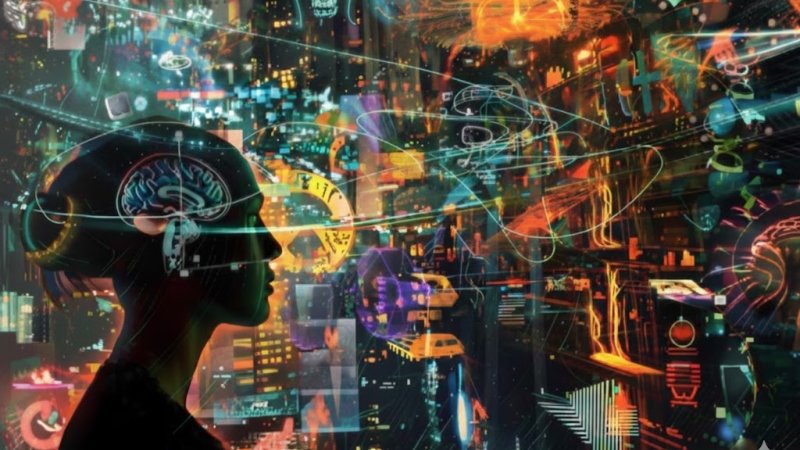
In the digital age, storytelling isn’t just about writing compelling narratives or crafting engaging dialogue; it’s about communicating ideas visually in ways that resonate with audiences. Whether for brands, creators, educators, or social content strategists, visual storytelling is the heartbeat of modern communication. But producing high-quality visuals and videos traditionally demands technical skills, time, and significant resources. That’s changing rapidly thanks to advances in generative AI.
One of the most exciting innovations in this space is Reve, an AI-powered visual creation tool that empowers users to transform text, ideas, and concepts into stunning imagery and dynamic media. Integrated into creative platforms like Invideo, Reve brings generative creativity directly into a user-centric workflow, enabling seamless transitions from vision to visual output.
In this blog post, we’ll explore how Reve is redefining visual storytelling , making it accessible, scalable, and smart. We’ll break down its capabilities, real-world use cases, and its broader impact on creative workflows, including how it works with an AI video maker app to bring static visuals to life.
What Is Reve and Why It Matters
Reve is an AI-driven creative tool designed to generate images and visual assets from textual prompts. Its capabilities go beyond simple text-to-image functions; Reve understands context, mood, and stylistic direction, allowing creators to craft visuals that align with brand identity or narrative intent.
What sets Reve apart is not just the quality of the images but also the integration within creative editing environments. For example, Invideo has incorporated Reve into its suite of generative tools, enabling users to produce full projects that blend photos, graphics, and motion elements all within a single platform.
Reve is valuable for teams and individuals alike:
- Brands looking to scale visual content
- Content creators seeking speed without sacrificing quality
- Educators and storytellers who need custom visual aids
- Social media managers are tasked with frequent publishing
The tool democratizes the production of visually compelling content, letting anyone with an idea produce professional-grade imagery.
How Reve Works: From Text to Visual Storytelling
Reve’s core strength lies in interpreting text prompts and converting them into visual outputs. Here’s a step-by-step look at how it functions within a typical creative workflow:
1. Input Your Text Prompt
Users begin by describing what they want to see. This can range from simple descriptions like “a vibrant city skyline at sunset” to more complex narrative ideas involving characters, settings, or emotions.
2. AI Interprets Context and Style
Instead of merely matching keywords, Reve analyzes the intent and context of the prompt, whether you want a realistic portrayal, an artistic interpretation, or a stylized effect.
3. Visual Generation
Reve generates high-quality visuals based on the input prompt. The result is a tailored image that aligns with your description and often multiple variations to choose from.
4. Refinement and Iteration
If the first output isn’t exactly what you envisioned, you can refine the prompt or provide additional instructions. The AI will adapt and produce refined visuals until the desired outcome is achieved.
5. Integration and Output
Once the visuals are ready, creators can download them or use them directly in editing tools within the platform or export them into other workflows.
This process gives storytellers unprecedented control over visual design without requiring advanced artistic or technical skills.
Reve in Action: Use Cases That Matter
The flexibility of Reve makes it suitable for a wide range of creative and professional scenarios:
1. Brand Campaign Visuals
Marketing teams rely heavily on visuals that reflect brand messaging. With Reve, teams can rapidly generate imagery for campaigns, digital ads, and social promotions. Whether it’s a seasonal theme or a product launch, AI-generated visuals accelerate ideation and production timelines.
Example: A brand launching a new sportswear collection could use Reve to produce multiple lifestyle visuals that feature dynamic backgrounds and aesthetic coherence without reshooting or hiring external designers.
2. Storyboarding and Concept Art
Filmmakers, video producers, and directors often need visual references during the planning phase. Reve enables teams to produce storyboard frames, mood boards, and visual references that reflect the tone and essence of a project, saving time and resources.
Example: A video director could generate character imagery and scene settings to convey visual themes before filming begins.
3. Social Media Content
Social platforms thrive on eye-catching visuals. With Reve, social media teams can create custom graphics that match trending topics, seasonal themes, or targeted engagement strategies.
Example: A travel influencer might use Reve to generate immersive visuals for posts about a dream destination, enhancing storytelling and follower engagement.
4. Educational and Presentation Assets
Teachers, trainers, and corporate communicators often need visuals to support complex concepts. Reve allows them to generate illustrative aids that enhance comprehension and retention.
Example: An educator explaining solar system dynamics could generate labeled illustrations or visual metaphors that make learning more interactive.
5. Creative Exploration and Artistic Expression
For artists and hobbyists, Reve offers a playground to test ideas, explore styles, and push boundaries. Whether someone wants surreal art, minimalistic design, or thematic visuals, the AI facilitates creative experimentation.
Elevating Visuals with an AI Video Maker App
While static visuals are powerful on their own, storytelling today increasingly demands motion. That’s where pairing tools like Reve with an ai video maker app elevates impact.
An AI video maker app allows creators to:
- Animate Reve-generated visuals
- Add transitions, audio, and voiceovers
- Combine multiple visual assets into coherent video sequences
- Sync text, narration, and motion for storytelling depth
For example, a creator might generate a series of static images with Reve and then use an AI video maker app to animate scene transitions, background visuals, and on-screen text. The result is a dynamic video ready for social feeds, presentations, or ads without the need for complex editing software or specialist skills.
By linking visual generation and video assembly, creators can transform ideas into multimedia narratives that engage audiences more deeply.
Why Creators Are Turning to AI-Powered Visual Tools Like Reve
Several key advantages explain why Reve and similar AI tools are gaining traction:
1. Speed and Efficiency
AI dramatically reduces the time between concept and creation. Instead of spending hours sourcing or designing visuals, creators can generate them in minutes.
2. Affordability
Traditional visual production, especially involving designers, photographers, or illustrators, can be costly. AI tools lower barriers to high-quality content.
3. Creative Freedom
Reve enables experimentation with styles, concepts, and visuals without requiring technical skill in graphic design.
4. Consistency Across Assets
AI generation allows teams to maintain visual consistency across multiple assets, essential for campaigns and brand identity.
5. Accessibility
Non-technical users can generate professional visuals without learning complex software or hiring external resources.
Best Practices for Using Reve Effectively
To get the most out of Reve:
- Be specific with your prompts: Clear, descriptive language produces better results. Include details about style, mood, and composition.
- Experiment with iterations: Don’t expect perfection on the first try, tweak prompts and refine outputs.
- Pair visuals with motion: Use an AI video maker app to bring static visuals to life.
- Align visuals with narrative: Ensure generated imagery supports the story you want to tell.
- Maintain brand voice: Use consistent descriptors to preserve brand identity across outputs.
The Future of Visual Storytelling With AI
The integration of tools like Reve into creative workflows signals a shift in how visual storytelling is approached. As AI models grow more sophisticated, the boundary between imagination and execution continues to blur. Creators will increasingly collaborate with AI, using it as a partner in ideation, refinement, and production.
This evolution will likely lead to:
- More personalized storytelling
- Real-time visual generation
- Smarter integration with multi-modal media (audio, video, animation)
- Deep learning-driven aesthetics and style engines
AI-powered creativity is not replacing human artistry; it’s amplifying it.
Conclusion
Visual storytelling is at the heart of effective communication in today’s digital world. Tools like Reve are transforming this landscape by enabling creators to generate stunning visuals from text prompts, refine them with intelligent edits, and integrate them into broader media projects.
By combining Reve’s generative capabilities with an AI video maker app, creators can unlock multimedia narratives that are faster to produce, more engaging to audiences, and highly adaptable across channels. From marketing campaigns and social content to educational visuals and creative art, AI-powered tools are accelerating creativity, expanding accessibility, and elevating visual storytelling to new heights.
As the technology continues to evolve, the potential for AI-enhanced creativity will only grow, making powerful visual storytelling attainable for everyone, everywhere.