Healthcare systems are running into a reality that nursing education can no longer ignore. Older adult populations are growing quickly, though the bigger shift comes from how much more medically complex aging has become compared to previous generations. Many older patients now live much longer while managing multiple chronic conditions at once, balancing long medication lists, rehabilitation needs, mobility concerns, memory-related conditions, and ongoing treatment plans stretching across several healthcare providers simultaneously. Hospitals are no longer caring for elderly patients during short, isolated situations alone because many older adults move repeatedly between specialists, rehabilitation centers, home healthcare services, assisted living environments, and long-term recovery programs throughout daily life.
Nursing students today increasingly train in long-term care coordination, home-based treatment support, emotional communication, rehabilitation planning, cognitive health challenges, and independent clinical decision making connected to elderly patient care.
Advanced Nursing Pathways
Healthcare systems increasingly need nurses capable of handling highly detailed patient situations involving chronic illnesses, rehabilitation plans, medication management, cognitive decline, and long-term care coordination all at the same time. Older patient populations often require much more ongoing support compared to younger patients recovering from short-term medical issues, which means nursing education now places a heavier focus on advanced clinical responsibilities and specialized patient management skills.
An APRN in nursing field continues to expand across healthcare education programs. Advanced practice nurses increasingly handle patient assessments, treatment planning, long-term monitoring, and independent decision-making for aging populations moving through complex healthcare systems daily. Modern nursing programs now train students for situations where they may coordinate care across several providers while managing elderly patients dealing with multiple medical concerns simultaneously. Healthcare environments serving older adults increasingly depend on nurses capable of thinking beyond routine bedside care because elderly patient management now involves much broader clinical responsibility than many traditional nursing roles originally required.
Long-Term Care
Long-term care training has become much more central in nursing education because many older adults now spend years managing ongoing medical conditions rather than recovering quickly from short-term illnesses. Nursing students increasingly train for environments where patient care stretches across extended periods involving rehabilitation, medication adjustments, mobility support, emotional care, and repeated healthcare transitions instead of temporary hospital stays alone.
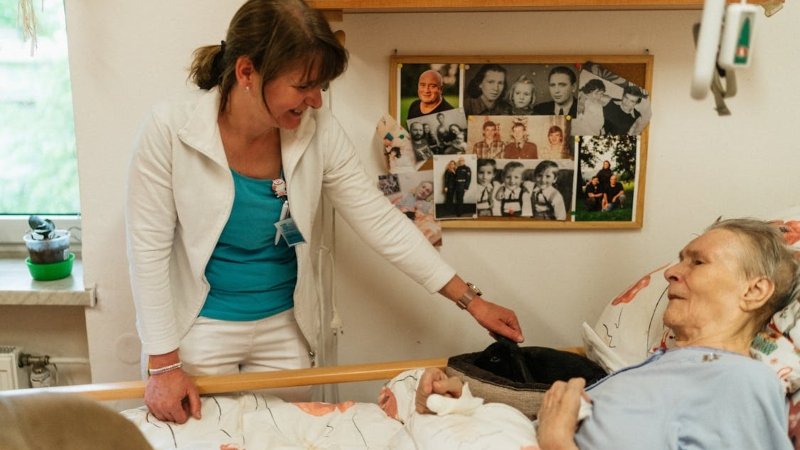
Modern long-term care environments look different from the outdated stereotypes many people still imagine. Nurses may help older adults recovering from surgery while coordinating physical therapy schedules, monitoring cognitive changes, communicating with families through telehealth systems, and managing complicated medication routines simultaneously. Nursing education increasingly prepares students for healthcare situations where relationship building, patience, consistency, and long-term observation matter just as heavily as clinical technical skills.
Geriatric Education
Specialized geriatric education has become more important because aging patients often experience several overlapping medical conditions that affect each other in complicated ways. Someone managing diabetes, heart disease, arthritis, reduced mobility, and memory-related challenges at the same time requires completely different care approaches compared to younger patients dealing with isolated medical issues. Nursing schools increasingly recognize that elderly patient care demands much more specialized understanding of how aging changes recovery, communication, medication response, and physical resilience over time.
Modern geriatric training now involves much more than studying physical aging alone. Nursing students increasingly learn how loneliness, isolation, technology gaps, cognitive decline, grief, and loss of independence affect older adults emotionally throughout healthcare experiences. A nurse helping an elderly patient today may need to understand how confusion around digital healthcare systems, transportation struggles, or emotional fear about losing independence shapes patient behavior during treatment.
Home Healthcare
Home healthcare training has become a bigger priority because growing numbers of older adults now receive medical support while remaining inside their own homes instead of staying permanently inside hospitals or residential facilities. Families increasingly prefer home-based care whenever possible because it allows older relatives to maintain familiarity, independence, and comfort while still receiving ongoing medical attention.
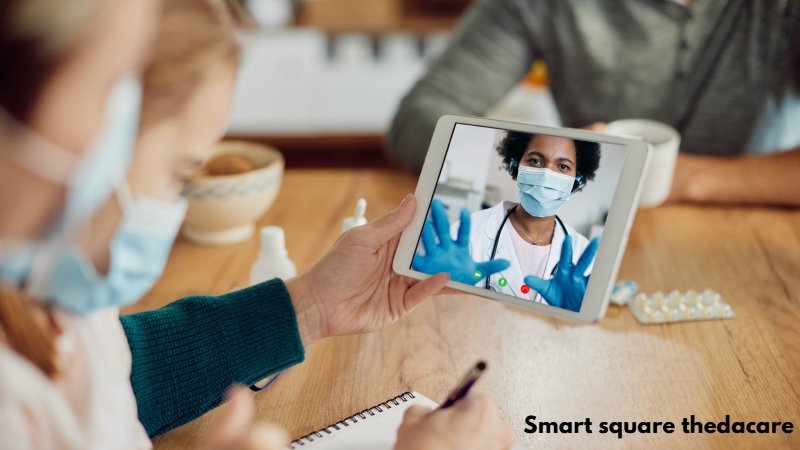
Nursing students now train for situations involving home safety assessments, remote patient monitoring, medication management, mobility assistance, and family coordination happening outside traditional clinical settings entirely. Modern home healthcare nurses often work in environments where they must make independent observations quickly without large hospital teams standing nearby constantly. Technology plays a huge role, too, because nurses increasingly monitor elderly patients through digital health systems, virtual check-ins, wearable devices, and remote communication platforms while balancing highly personal face-to-face patient interaction at the same time.
Rehabilitation Support
Aging populations continue to increase demand for nurses skilled in rehabilitation and mobility support because recovery often becomes slower and much more physically demanding for older adults after surgery, illness, injury, or hospitalization. Something as simple as a fall can completely change an older patient’s independence, daily routine, and long-term quality of life, which means rehabilitation support now plays a much larger role in modern healthcare than many people realize initially.
Nursing education increasingly prepares students for situations involving mobility assistance, fall prevention, strength rebuilding, and long-term recovery planning happening across hospitals, rehabilitation centers, and home healthcare environments simultaneously. Modern nurses may work with elderly patients relearning basic routines after strokes, surgeries, or extended illness while balancing emotional encouragement alongside physical recovery support.
Mental Health Awareness
Nursing schools are placing much stronger attention on age-related mental health challenges because emotional struggles connected to aging often appear quietly alongside physical healthcare concerns. Older adults may experience grief, loneliness, anxiety, depression, memory-related conditions, or emotional exhaustion connected to long-term illness, reduced independence, or social isolation. Many healthcare environments now recognize that emotional health and physical recovery remain deeply connected throughout elderly patient care.
Modern nursing education increasingly trains students to recognize behavioral changes, emotional withdrawal, confusion, mood shifts, and cognitive concerns much earlier because those symptoms often get overlooked or dismissed as “normal aging” when something much more serious may actually be happening. Nurses today regularly care for older patients navigating emotionally difficult transitions involving retirement, caregiving loss, assisted living decisions, or memory decline while still managing medical treatment simultaneously.
Leadership Training
Older adult care increasingly influences leadership training inside nursing education because elderly patient management often requires coordination between several healthcare providers, specialists, rehabilitation teams, caregivers, and family members, all working together around the same patient. Nurses frequently become the central communication link connecting those moving parts daily, especially during long-term care situations involving complicated treatment plans and ongoing recovery support.
Modern nursing leadership education now focuses much more heavily on independent decision making, care coordination, patient advocacy, communication management, and clinical organization because elderly healthcare situations rarely stay simple for very long. A nurse may help organize rehabilitation schedules, monitor medication concerns, coordinate family updates, communicate with specialists, and identify changes in patient condition, all during the same shift.
Aging populations continue to reshape nursing education because elderly patient care now involves far more complexity, coordination, and long-term management than traditional healthcare training originally emphasized. Healthcare systems now rely heavily on nurses capable of balancing medical expertise alongside leadership and long-term patient support.