
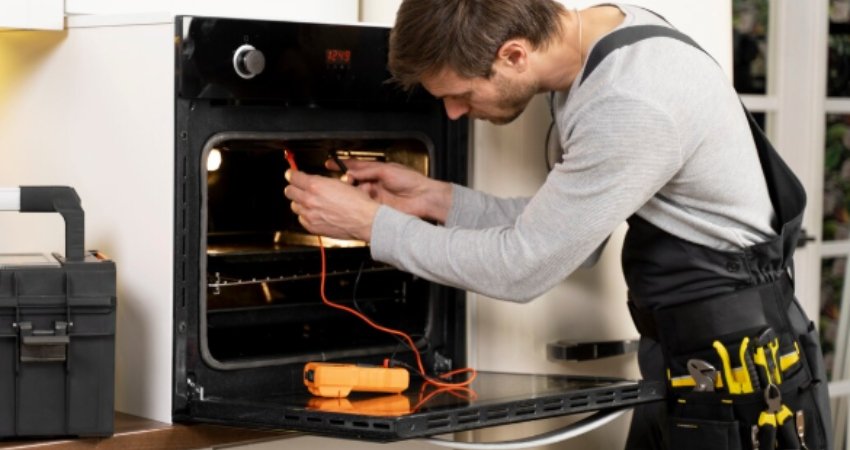
Ovens are one of those kitchen appliances people tend to take for granted—until something goes wrong. A dinner plan can quickly turn stressful when the oven won’t heat properly, cooks unevenly, or suddenly stops working altogether. Whether it’s a home kitchen preparing family meals or a busy bakery producing dozens of trays a day, a faulty oven can disrupt everything.
That’s where skilled professionals come in. Understanding what typically goes wrong with ovens—and how experienced repair specialists fix these issues—can help you feel more confident when problems arise. Most importantly, it can save time, money, and a lot of frustration.
Common Oven Problems That Show Up in Everyday Life
Ovens don’t usually fail without warning. They tend to show signs of trouble that gradually get worse. One of the most common issues is uneven heating. You might notice cookies burning on one side of the tray while staying undercooked on the other. In a household kitchen, this often leads to repeated guessing and wasted ingredients. In a restaurant, it can mean inconsistent dishes and unhappy customers.
Another frequent issue is temperature inaccuracy. For example, you might set your oven to 180°C, but the food either cooks too fast or takes much longer than expected. This usually points to a faulty thermostat or sensor. These small components play a big role in maintaining consistent heat, and when they fail, the whole cooking process becomes unreliable.
There’s also the problem of ovens not heating at all. In electric ovens, this could be a broken heating element. In gas ovens, it might be an ignition issue or a gas flow problem. Imagine a small café trying to bake pastries in the morning rush, only to find the oven completely cold—operations can come to a halt instantly.
Other issues include strange noises, doors that don’t seal properly, and control panels that stop responding. While these might seem minor at first, they often point to deeper mechanical or electrical faults that need attention before they worsen.
Why Professional Repair Matters More Than Guesswork
It can be tempting to search online for a quick fix when an oven starts acting up. Tightening a screw here or cleaning a part there might help in simple cases, but ovens are complex machines that combine electricity, heat, and sometimes gas systems. Without proper knowledge, DIY attempts can sometimes make the problem worse—or even create safety risks.
Professional repair technicians bring experience that comes from working with many different oven brands, models, and problems. They don’t just treat the symptom; they diagnose the root cause. For instance, if an oven isn’t heating evenly, a trained technician won’t immediately replace parts blindly. Instead, they’ll test the heating elements, check wiring connections, and measure temperature accuracy before deciding what needs fixing.
In commercial settings like hotels or catering businesses, downtime is expensive. A broken oven during peak hours can affect service quality and revenue. In those cases, a quick and accurate diagnosis is essential. Experienced technicians understand this urgency and are trained to work efficiently without cutting corners.
This is where the value of expert oven repair technicians becomes especially clear. They don’t just restore functionality—they restore confidence in your equipment. Whether it’s a family kitchen or a large-scale food operation, having someone who understands the technical side of ovens means fewer disruptions and more consistent performance.
To give a real-world example, consider a neighborhood bakery that relies on its convection oven for daily bread production. When the oven started baking uneven loaves, staff initially tried adjusting recipes and baking times. Nothing worked. A technician eventually discovered a failing fan motor inside the oven that wasn’t circulating heat properly. Once replaced, the bakery immediately returned to consistent, high-quality output.
That kind of precision is difficult to achieve without proper training and diagnostic tools. It’s not just about fixing—it’s about understanding how each component affects the entire cooking process.
Preventing Problems Before They Start and Knowing When to Call for Help
While repairs are sometimes unavoidable, regular maintenance can significantly reduce the chances of major oven failures. Simple habits like cleaning food spills, checking door seals, and avoiding overloading the oven can go a long way in keeping it in good condition.
One often overlooked area is ventilation. Ovens need proper airflow to function safely and efficiently. When vents are blocked by grease or debris, heat distribution can suffer, and components may wear out faster. This is especially important in commercial kitchens where ovens run for long hours every day.
Another useful tip is paying attention to early warning signs. A slight delay in heating, unusual smells, or inconsistent baking results might seem minor, but they often indicate underlying issues. Addressing them early can prevent costly breakdowns later.
Still, even with the best care, ovens are mechanical systems that naturally wear down over time. Heating elements burn out, sensors lose accuracy, and electrical components degrade. This is when professional help becomes necessary.
Calling in trained specialists ensures the issue is handled safely and correctly. Instead of trial and error, you get a structured diagnosis and targeted repair. In many cases, this not only fixes the current problem but also extends the overall lifespan of the appliance.
In homes, this means fewer disruptions to daily cooking routines, and in restaurants, bakeries, and hotels, it means maintaining service quality and customer satisfaction without unexpected interruptions.
Ovens are central to how we cook, bake, and serve food across both homes and industries. When they stop working properly, the impact is immediate and often frustrating. While some minor maintenance can be handled at home, more complex issues require professional insight.
Working with experienced technicians ensures that problems are not only fixed but properly understood and prevented in the future. That combination of skill, diagnosis, and practical repair is what keeps ovens running safely and efficiently over time.
In the end, having reliable support for appliance issues isn’t just about convenience—it’s about keeping everyday life and business operations running smoothly without unnecessary stress.

