
Thinking about breast implants? It’s not just about picking a size and booking a date. There’s a lot that goes into getting it right. The choices you make early on shape how safe the procedure is and how smooth your recovery feels. Some people rush in with ideas from social media, but that rarely paints the full picture. Real outcomes depend on planning, clear expectations, and working with the right surgeon. When you understand what’s ahead, you can avoid stress, reduce risks, and feel more in control of the process.
Let’s talk about what actually helps you prepare for safer surgery and a steady recovery.
Do Your Research Before Making a Decision
Scrolling through photos isn’t enough. You need real information. Start with videos from qualified surgeons. They walk through the procedure step by step and explain what actually happens in the operating room. That helps you replace guesswork with facts.
Reviews matter too, but not just the glowing ones. Read detailed experiences. Look for comments about recovery, communication, and follow-up care. Those details tell you how a clinic handles patients beyond the surgery itself.
It’s also smart to compare before-and-after photos with a critical eye. Lighting, angles, and editing can change how results look. Focus on consistent outcomes across multiple patients instead of one perfect image.
When you take time to research, you build realistic expectations. You walk into your consultation knowing the truth about breast implants. That clarity helps you avoid disappointment and make decisions with confidence.
Choosing a Board-Certified and Experienced Surgeon
Your surgeon matters more than anything else in this process. Board certification shows they’ve gone through proper training and meet strict standards. It’s not just a title. It reflects years of focused education and testing.
Experience counts too. A surgeon who performs breast augmentations regularly understands how to handle different body types and unexpected situations. You want someone who has seen it all and knows how to respond.
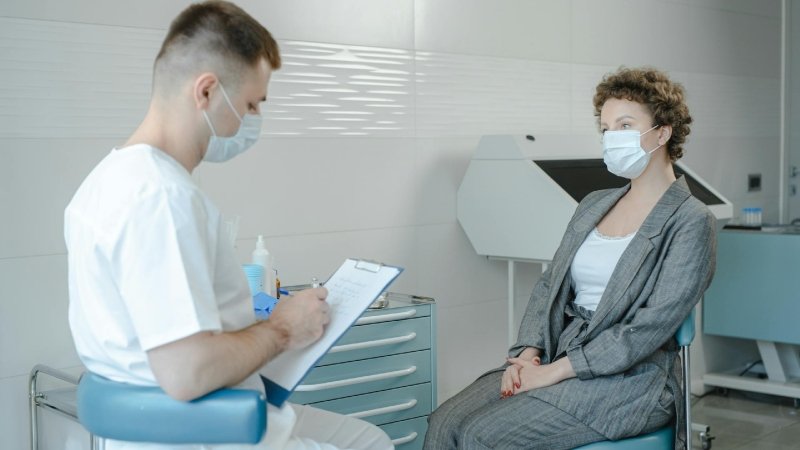
During your consultation, pay attention to how they speak. Do they explain things clearly? Do they answer questions without rushing? A good surgeon won’t push you into decisions. They’ll guide you with honest advice and help you weigh your options.
Discussing Your Goals and Expectations Clearly
You might have a certain look in mind, but it needs to match your body’s structure. A size that works for one person might not suit another. Your surgeon can help you understand what will look balanced and natural for you.
Be specific about what you want. Bring reference photos if it helps, but stay open to feedback. Surgeons often point out details you may not notice, like how implant size affects posture or how shape changes with movement.
It’s also important to talk about lifestyle. If you’re active or play sports, that can influence placement and size choices. Clear communication here avoids surprises later.
Knowing the Risks and Possible Complications
Every surgery comes with risks, and breast implants are no exception. Infection can happen, though it’s rare with proper care. Capsular contracture is another concern, where scar tissue tightens around the implant and changes its shape. There’s also the chance of rupture, which may require replacement.
Knowing these risks doesn’t mean something will go wrong. It means you’re prepared. Surgeons take steps to reduce complications, from sterile techniques to careful placement. Still, you need to take care of yourself, too. Following aftercare instructions helps your body heal properly.
Watch for warning signs after surgery. Unusual swelling, severe pain, or changes in shape should be checked right away. Quick action can prevent small issues from turning into bigger ones.
Preparing Your Body Before Surgery
Getting ready for surgery isn’t complicated, but it does require attention. Your surgeon will give you a list of instructions, and it’s important to follow them closely. That often includes stopping certain medications that can increase bleeding. Smoking is another big one. It slows healing and can raise the risk of complications, so most surgeons ask you to quit well before the procedure.
Your general health plays a role, too. Eating balanced meals, staying hydrated, and getting enough rest help your body handle surgery better. You don’t need extreme changes, just steady habits that support recovery.
It’s also smart to plan ahead at home. Set up a comfortable space where you can rest without strain. Keep essentials within reach so you’re not stretching or lifting. Moreover, make sure you have someone available to help during the first few days – it makes things easier.
What Happens on the Day of Surgery
Surgery day can feel intense, but knowing what to expect helps calm things down. You’ll arrive at the clinic, go through final checks, and meet your surgical team. They’ll review the plan and answer any last questions before moving forward.
Anesthesia is given so you stay comfortable during the procedure. Most breast implant surgeries take a few hours, depending on the technique used. While you’re in surgery, the team monitors your vital signs the entire time.
Afterward, you’ll spend some time in a recovery area while the anesthesia wears off. You might feel groggy or a bit sore, which is normal. The staff will guide you on what to do next and when it’s safe to go home.
Managing the First Few Days of Recovery
The first few days are all about rest and patience. Your body needs time to adjust, and you’ll likely feel tightness in your chest along with some swelling. Pain is usually manageable with prescribed medication, and sticking to the schedule helps keep discomfort under control.
Movement should stay limited at this stage. Simple actions like sitting up or walking short distances are fine, but lifting or stretching too much can slow healing.
Sleep position matters too. Most surgeons recommend resting on your back with your upper body slightly elevated. That position helps reduce pressure and supports proper healing.
Long-Term Recovery and Care Tips
As days turn into weeks, your body starts to feel more like itself again. Swelling goes down, and movement becomes easier. Still, it’s important not to rush back into your full routine. Heavy workouts and lifting should wait until your surgeon gives the go-ahead.
Follow-up appointments are part of the process. They allow your surgeon to check healing and address any concerns early. You may also notice changes in how the implants settle. That’s normal. They shift slightly as the surrounding tissue relaxes. Giving your body time to adjust leads to a more natural result.
Breast implant surgery is a series of decisions, not just a single event. Each stage, from preparation to long-term care, shapes how the experience unfolds. When you stay informed, follow guidance, and give your body the time it needs, the process feels more manageable and less uncertain. It’s about taking steady, practical steps that support both safety and comfort.