Have you ever driven past a house and thought, “something feels off,” even if you couldn’t name it? In Florida, where heat, storms, and fast growth shape neighborhoods, exterior updates carry more weight than they seem. They signal care, value, and even survival. In this blog, we will share what actually matters when updating a home’s exterior and how those choices connect to bigger shifts happening around us.
Rethink the Yard as Living Space
The front yard used to be about curb appeal and little else, but now it carries more weight as people spend more time at home and want outdoor space that feels usable. Lawns, plants, and walkways shape how a house feels before anyone steps inside. They also affect water use, maintenance time, and even neighborhood standards.
In warmer regions, interest in drought-tolerant landscaping has grown alongside rising water costs and changing weather patterns. Grass still plays a role, but not always in the same way it did years ago. Homeowners are mixing lawn areas with native plants, stone paths, and shaded seating to reduce upkeep while keeping the space inviting. This balance matters because a yard that looks good but demands constant work often gets neglected after the first year.
When planning updates, think about how people move through the space. A clear walkway, a defined entry point, and small seating area can change the feel of the entire exterior. Lighting also plays a key role. Low-voltage path lights and porch lighting improve safety while adding a calm, lived-in look at night.
For those considering grass upgrades, sod installation for your Florida yard offers a quick way to create a clean, green surface without waiting for seed to grow. It helps control erosion, cools the area around the home, and gives an immediate sense of order. When paired with proper irrigation and soil prep, it holds up better against heat and heavy rain than patchy lawns that struggle to recover.
This shift toward functional outdoor space ties into a larger pattern. As remote work and flexible schedules continue, people treat their homes as places to live, work, and relax all at once. The yard becomes an extension of that idea rather than just a frame around the house.
Start With Structure, Not Style
People love to talk about paint colors and trendy fixtures, yet the smartest upgrades start with what no one notices at first glance. Roof condition, siding integrity, drainage, and foundation cracks determine whether any cosmetic change will last longer than a season. After recent years of stronger storms and rising insurance costs across many states, homeowners have learned the hard way that weak structure invites expensive problems.
Take roofing as an example. A new roof does more than improve appearance; it can lower insurance premiums, reduce heat gain, and prevent water damage that quietly spreads behind walls. Similarly, siding that resists moisture and wind does real work long after the fresh look fades. Fiber cement and engineered wood options have gained ground because they handle weather better than older materials without constant repainting.
Drainage often gets ignored, yet it controls how water moves around your home. Poor grading or clogged gutters lead to pooling near the foundation, which then leads to cracks and mold. Fixing slope, extending downspouts, and installing proper gutter systems do not sound exciting, but they save money and stress over time.
There is also a broader trend behind this shift toward structure. Homeowners are treating houses less like short-term investments and more like long-term systems that need upkeep. With housing prices high and moving less affordable, people stay put and invest deeper. That means focusing on what keeps the house standing before worrying about what makes it look good.
Choose Materials That Age Well
It is easy to get pulled into trends that look sharp today but fade fast. Exterior updates cost time and money, so choosing materials that hold up both physically and visually makes a difference. Neutral colors, durable finishes, and simple designs tend to age better than bold choices that depend on current taste.
Paint is one of the most visible updates, yet it should work with the home’s surroundings rather than fight them. Earth tones, soft whites, and muted grays often blend well with different styles and landscapes. They also reflect heat better than darker colors, which matters in warmer climates.
Windows and doors offer another chance to balance function and style. Energy-efficient windows reduce heat transfer and lower utility bills, while a solid front door improves security and creates a strong first impression. Steel and fiberglass doors have gained popularity because they resist warping and require less maintenance than traditional wood.
Hardscaping elements like driveways and patios also deserve attention. Concrete remains common, but options like pavers and stamped finishes add texture without sacrificing durability. The key is to pick materials that handle weather changes and heavy use without constant repair.
There is a quiet irony here. At a time when social media pushes quick makeovers and bold looks, the most effective exterior updates lean toward restraint. They focus on longevity rather than instant impact, which often leads to better results over time.
Pay Attention to Small Details That Add Up
While major upgrades handle structure and efficiency, smaller details shape how the exterior feels on a daily basis. Hardware, lighting fixtures, house numbers, and trim all contribute to the overall look. When these elements match in style and finish, the home feels more put together.
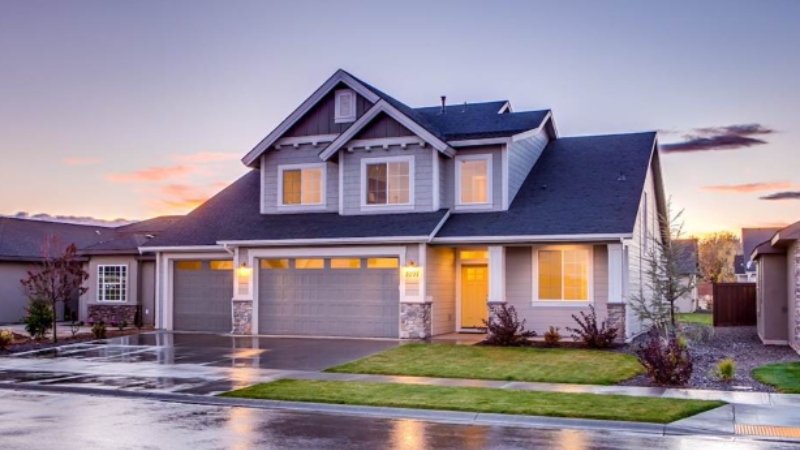
Consider the front entry. A clean door, updated handle, and simple lighting fixture can change how the house presents itself. Add a few plants or a bench, and the space becomes more welcoming without major work. These changes cost less but deliver noticeable results.
Maintenance also falls into this category. Pressure washing siding, cleaning walkways, and repairing minor cracks keep the exterior in good condition. These tasks often get delayed, yet they prevent larger problems from forming. A house that looks cared for sends a clear message, whether to neighbors, visitors, or potential buyers.
There is also a social angle here. As neighborhoods change and property values shift, exterior upkeep becomes part of how communities define themselves. A well-maintained street feels stable, while neglected homes create the opposite effect. Individual choices add up to a shared environment.
At the same time, not every update needs to chase approval or follow trends. The goal is to create a space that works for the people living there while holding its value over time. That balance requires practical thinking more than bold moves.
Updating a home’s exterior involves more than picking colors or adding features. It requires looking at the house as a system that interacts with weather, energy use, and daily life. When decisions focus on durability, function, and thoughtful design, the result feels solid rather than staged. That approach may not grab instant attention, yet it holds up when trends fade and conditions change.