
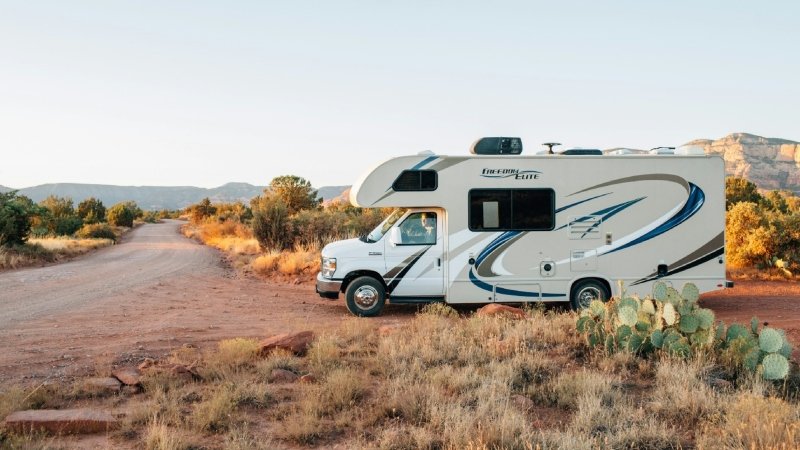
RVs, boats, and classic cars are not small purchases. They represent years of planning, saving, and commitment to a lifestyle built around travel, recreation, and independence. For many homeowners, these vehicles carry both financial weight and personal meaning. In Idaho, where summers bring intense sun and winters deliver freezing temperatures, snow, and moisture, vehicles often sit unused for extended periods. That downtime may seem harmless, but seasonal exposure steadily wears down materials and mechanical systems.
Parking at home is common, especially in driveways or alongside yards. However, convenience does not always equal protection. Limited garage height, neighborhood regulations, and shrinking lot sizes in growing areas like Boise make it difficult to shield large vehicles properly. Constant sun exposure, temperature swings, and snow accumulation all add stress. Once owners understand the value at risk, many begin exploring structured solutions to reduce environmental damage and free up residential space. Proper storage is not just about finding a place to park. It is a long-term maintenance strategy that protects performance, appearance, and resale value.
UV Damage: Protecting Paint, Seals, and Interior Materials
Sun exposure causes gradual but measurable deterioration. Ultraviolet rays break down a vehicle’s clear coat over time, leading to oxidation and fading. Paint loses its gloss and depth, and small surface cracks may begin to form. As that outer layer weakens, contaminants settle more easily on the surface, increasing the likelihood of staining and long-term surface wear. Vehicles that remain uncovered for extended periods often show visible signs of aging much sooner than expected.
Interior materials respond the same way to prolonged heat. Dashboards, vinyl trim, and leather upholstery can dry out or fade when exposed to direct sunlight day after day. Rubber seals around windows and doors may lose flexibility, eventually affecting their ability to seal properly.
If you are based in Boise RV storage units like those offered by Simply Storage ensure your vehicle remains safe in a controlled environment. By minimizing exposure to harsh weather and direct sunlight, this added layer of protection helps preserve both appearance and structural integrity, allowing finishes and materials to last significantly longer.
Preventing Tire Flat-Spotting and Dry Rot
Tires support thousands of pounds when a vehicle remains stationary. Over weeks or months, that pressure can create flat spots where rubber compresses against the ground. Cold temperatures worsen the effect because rubber stiffens and becomes less flexible. When the vehicle returns to use, drivers may feel vibration, uneven wear, or reduced ride comfort.
Sunlight and fluctuating temperatures also contribute to dry rot. Small cracks along sidewalls weaken structural integrity and increase the risk of blowouts. Before storage, inflate tires to the manufacturer’s recommended pressure and inspect for existing wear. Tire covers shield against UV rays, while occasional repositioning redistributes weight. These preventive steps reduce replacement costs and improve long-term safety.
Moisture Control: Guarding Against Mold, Mildew, and Rust
Moisture is one of the most persistent threats during storage. Rain, melting snow, and condensation can seep into seams, vents, and storage compartments. Once humidity builds inside the cabin, mold and mildew can develop quickly. Fabric surfaces, carpets, and cushions absorb moisture, leading to odors and staining that are difficult to reverse.
Metal components face a separate risk. Undercarriages, brake assemblies, and exposed fasteners can rust when moisture lingers. Repeated freeze-thaw cycles in Idaho further accelerate corrosion. Proper storage limits direct exposure and promotes stable conditions. Using moisture absorbers, checking roof seals, and ensuring proper ventilation help maintain a dry interior and protect structural integrity over time.
Protecting Against Pests and Rodent Damage
Large vehicles that sit idle often attract rodents seeking shelter. Engine compartments and storage bays provide warmth and protection from predators. Once inside, rodents chew wiring, insulation, and upholstery. Electrical damage caused by chewed wires can be expensive and difficult to diagnose.
Preventive measures reduce risk significantly. Clean the vehicle thoroughly before storage and remove food items, paper goods, and nesting materials. Inspect entry points around vents and seals, and close gaps where possible. Facilities with regular monitoring and controlled access provide an added layer of protection. Routine inspections during storage allow you to catch signs of activity early and address them before repairs escalate.
Protecting Mechanical Systems During Long-Term Storage
Mechanical systems need attention when a vehicle remains unused. Batteries slowly discharge over time, and extreme cold can permanently reduce capacity. A weak battery strains the electrical system and may fail when you attempt to restart the engine. Charging the battery fully before storage and using a maintainer helps keep voltage stable and extend service life.
Fuel and other fluids also degrade during inactivity. Gasoline can break down and form deposits that clog fuel lines or injectors. Adding a fuel stabilizer and running the engine briefly helps circulate treated fuel through the system. Checking oil, coolant, and brake fluid ensures that internal components remain lubricated and protected. Stabilizing mechanical systems prevents costly repairs and improves reliability when it is time to travel again.
The Security Benefits of Professional Storage Facilities
Vehicles parked at home often remain visible from the street. That visibility increases the risk of theft, vandalism, or unauthorized entry. Even in quiet neighborhoods, it is difficult to monitor a large vehicle around the clock. Extended travel or seasonal absence can increase vulnerability.
Professional storage facilities provide structured security measures. Gated entry, surveillance cameras, and controlled access points discourage unauthorized activity. Staff oversight adds accountability and peace of mind. Knowing that your vehicle is in a monitored environment lets you focus on future trips rather than worry about potential damage or loss during the off-season.
Protecting Your Investment for the Long Haul
Proper storage directly extends a vehicle’s lifespan by addressing environmental, mechanical, and security risks. Limiting UV exposure preserves paint and interior materials. Tire protection prevents flat-spotting and structural weakening. Moisture control reduces mold and rust, while pest prevention safeguards wiring and insulation. Stabilizing batteries and fluids ensures dependable performance after months of inactivity. Secure storage further protects against theft and vandalism.
When homeowners treat storage as part of responsible asset management, they protect both financial investment and lifestyle value. A well-maintained vehicle holds its resale worth, performs reliably, and remains ready for the next journey. Thoughtful storage decisions today translate into fewer repairs, lower long-term costs, and greater enjoyment in the years ahead.